Wheat pennies, officially known as Lincoln Wheat Cents, were minted in the United States from 1909 to 1958. They are among the most popular coins for collectors due to their historical significance, unique design, and the wide range of values they can hold depending on rarity and condition. The obverse features Abraham Lincoln, while the reverse displays two wheat stalks, symbolizing prosperity. Collectors often seek these coins not only for their monetary value but also for their connection to American history.
The Birth of the Lincoln Wheat Penny in 1909
The Lincoln Wheat Penny was introduced in 1909 to commemorate the centennial of Abraham Lincoln’s birth. It was the first U.S. coin to feature a real person rather than a symbolic figure. Designed by Victor David Brenner, the coin quickly gained popularity. The earliest issues included the famous 1909 VDB pennies, which carried Brenner’s initials on the reverse. These coins became controversial, as some felt the initials were too prominent, leading to their removal later that year. As a result, the 1909 VDB pennies are among the most sought-after by collectors.
Key Dates and Rarities
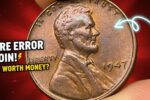
Certain years and mint marks stand out as particularly valuable. The 1909-S VDB penny is one of the most famous rarities, with only 484,000 minted. Other key dates include the 1914-D, 1922 No D, 1931-S, and 1955 Double Die Obverse. These coins can command hundreds or even thousands of dollars depending on condition. Collectors often build sets around these key dates, making them central to the hobby.
Understanding Mint Marks
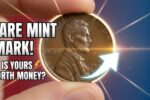
Mint marks play a crucial role in determining value. Wheat pennies were struck at three primary mints: Philadelphia (no mint mark), Denver (D), and San Francisco (S). Coins from San Francisco and Denver often had lower mintages, making them more scarce and valuable. For example, the 1914-D penny is far rarer than its Philadelphia counterpart. Collectors must pay close attention to mint marks when evaluating coins.
Condition and Grading
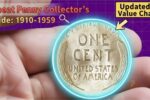
The condition of a wheat penny dramatically affects its value. Coins are graded on a scale from Poor (P-1) to Mint State (MS-70). A heavily worn coin may only be worth a few cents, while the same coin in pristine condition could be worth hundreds. Collectors often use magnification to check for details such as sharpness of Lincoln’s portrait, clarity of lettering, and preservation of the wheat stalks. Professional grading services can provide certification, which adds credibility and often increases market value.
Price Chart for Wheat Pennies 1909–1958
Below is a general overview of wheat penny values across the years. Prices vary depending on condition, but this chart provides a collector-friendly guide.
| Year | Notable Varieties | Average Value Range |
|---|---|---|
| 1909 | VDB, 1909-S VDB | $5 – $1,000+ |
| 1910–1913 | Common issues | $0.10 – $20 |
| 1914 | 1914-D key date | $20 – $5,000+ |
| 1915–1919 | Scarcer mint marks | $0.20 – $50 |
| 1920–1929 | Includes 1922 No D | $0.10 – $1,000+ |
| 1930–1939 | 1931-S rarity | $0.10 – $200+ |
| 1940–1949 | Wartime steel cents (1943) | $0.05 – $100+ |
| 1950–1958 | Common later issues | $0.05 – $20 |
| 1955 | Double Die Obverse | $50 – $10,000+ |
This chart highlights the dramatic differences in value depending on rarity and condition.
The 1943 Steel Cent
One of the most unique issues in the wheat penny series is the 1943 steel cent. During World War II, copper was needed for ammunition, so pennies were struck in zinc-coated steel. These coins stand out with their silver-gray appearance. While common in circulated condition, uncirculated examples are prized. A few 1943 copper cents were mistakenly struck, and these are among the most valuable coins in U.S. history, worth tens of thousands of dollars.
The Famous 1955 Double Die Obverse
The 1955 Double Die Obverse penny is legendary among collectors. Due to a minting error, the date and lettering appear doubled, creating a striking visual effect. This coin is highly sought after and can fetch thousands of dollars depending on condition. Even worn examples are valuable, making it one of the most iconic error coins in American numismatics.
Collecting Strategies
Collectors often approach wheat pennies in different ways. Some aim to build complete sets from 1909 to 1958, while others focus on key dates or high-grade examples. Roll searching, where collectors examine rolls of pennies from banks, remains a popular method of finding wheat cents in circulation. Coin shows, auctions, and online marketplaces also provide opportunities to acquire rare pieces.
Historical Significance
Beyond their monetary value, wheat pennies hold historical importance. They represent a period of American coinage that spanned two world wars, the Great Depression, and major cultural shifts. The design itself, honoring Abraham Lincoln, reflects the nation’s respect for its leaders and history. Collectors often appreciate wheat pennies not only as investments but as tangible connections to the past.
Tips for New Collectors
For those new to collecting, start by learning to identify mint marks and key dates. Invest in a magnifying glass and coin albums to organize your collection. Avoid cleaning coins, as this can reduce their value. Instead, focus on preserving them in protective holders. Joining coin clubs or online communities can provide valuable knowledge and connections.
The Market for Wheat Pennies Today
The market for wheat pennies remains strong, with demand driven by both seasoned collectors and newcomers. Prices fluctuate based on rarity, condition, and overall interest in coin collecting. While common wheat pennies may only be worth a few cents, rare varieties continue to appreciate in value. Collectors often view them as both a hobby and a long-term investment.
Conclusion
Wheat pennies from 1909 to 1958 offer a fascinating journey through American history and numismatics. From the iconic 1909-S VDB to the legendary 1955 Double Die Obverse, these coins capture the imagination of collectors worldwide. Whether building a complete set or focusing on rare dates, collectors find joy in the hunt and pride in their discoveries. With values ranging from mere cents to thousands of dollars, wheat pennies remain one of the most rewarding areas of coin collecting.