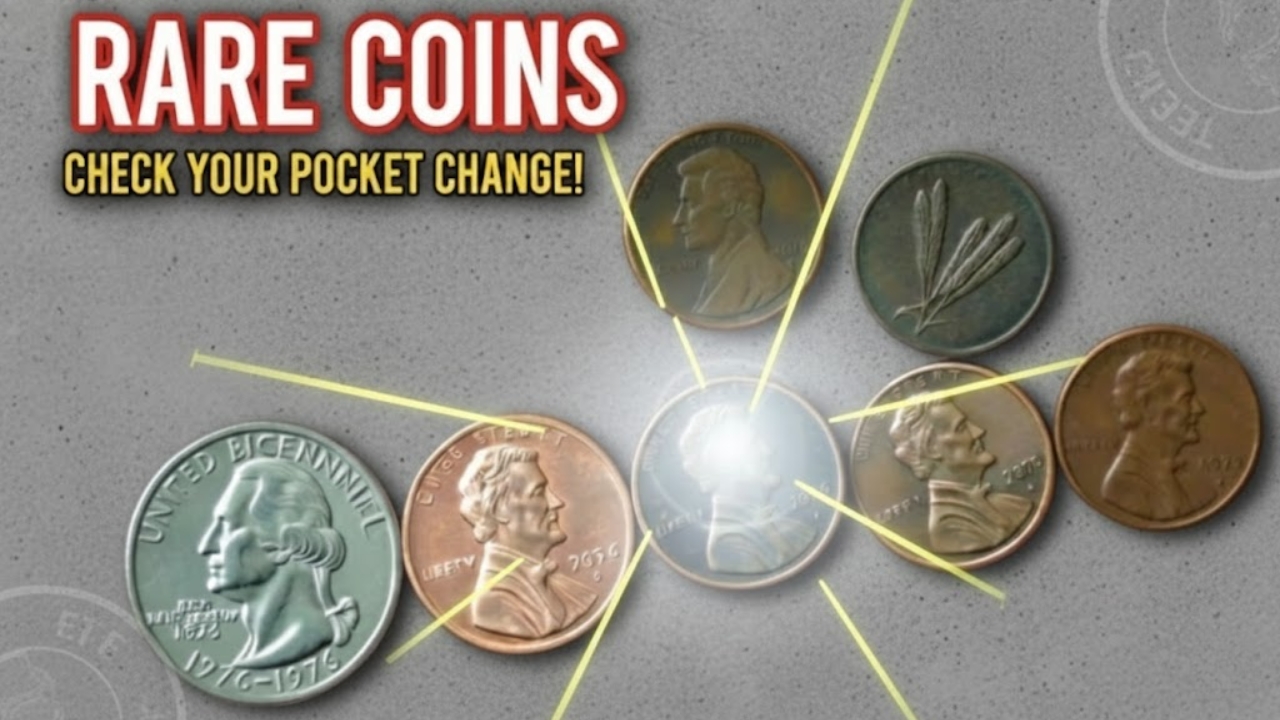
Wheat pennies, officially known as Lincoln Wheat cents, are among the most iconic coins in American numismatics. Minted from 1909 to 1958, these coins feature the portrait of Abraham Lincoln on the obverse and two wheat stalks on the reverse, symbolizing prosperity. Collectors have long admired them for their historical significance, affordability, and the thrill of discovering rare varieties. Over the past two decades, the value of wheat pennies has experienced notable shifts, influenced by collector demand, rarity, and broader economic trends.
Historical Background of Wheat Pennies
The Lincoln Wheat cent was introduced in 1909 to commemorate the centennial of Abraham Lincoln’s birth. Designed by Victor David Brenner, it was the first U.S. coin to feature a real person rather than a symbolic figure. The wheat design remained until 1958, after which it was replaced by the Lincoln Memorial reverse. This long production run created a wide range of dates, mint marks, and varieties, some of which are common while others are extremely rare and valuable.
Factors Influencing Wheat Penny Values
Several factors determine the value of wheat pennies. Rarity plays a central role, with coins like the 1909-S VDB and the 1914-D commanding high premiums. Condition is equally important, as uncirculated coins or those with minimal wear can be worth significantly more than heavily circulated examples. Market demand also influences prices, with collector interest rising during periods of economic stability or when numismatics gain popularity. Additionally, errors and varieties, such as doubled dies or off-center strikes, add unique appeal and value.
The Market in the Early 2000s
At the start of the 21st century, wheat pennies were widely available and relatively inexpensive. Many collectors could purchase bulk lots for modest sums, often finding common dates for just a few cents each. Rare dates, however, already commanded strong prices. For example, the 1909-S VDB often sold for hundreds of dollars even in lower grades. The early 2000s marked a period of steady but modest growth, as coin collecting was popular but not yet experiencing the surge seen later in the decade.
Mid-2000s Growth and Collector Interest
By the mid-2000s, coin collecting began to attract renewed attention. The release of the 50 State Quarters program brought millions of new collectors into the hobby, many of whom expanded their interests to older coins like wheat pennies. This influx of collectors increased demand, pushing prices upward. Common wheat pennies in higher grades began to sell for more, while rare varieties saw significant appreciation. Auction records from this period show notable increases in realized prices for key dates.
The Impact of the 2008 Financial Crisis
The global financial crisis of 2008 had a complex effect on the coin market. While some collectors reduced spending, others viewed coins as a safe investment compared to volatile stocks. Wheat pennies, being relatively affordable compared to gold or silver coins, remained attractive to hobbyists. Prices for common dates stabilized, while rare coins continued to climb. This period highlighted the resilience of numismatic markets, as collectors maintained interest despite economic uncertainty.

The 2010s: Expansion of Online Marketplaces
The 2010s brought dramatic changes to the way collectors bought and sold coins. Online marketplaces and auction platforms expanded access, allowing collectors worldwide to trade wheat pennies with ease. This increased transparency in pricing and broadened the market. As a result, values for many wheat pennies rose steadily, particularly for coins in certified holders graded by professional services. The availability of detailed auction records also helped collectors better understand market trends, reinforcing confidence in their purchases.
Rare Varieties and Their Price History
Certain wheat pennies have consistently stood out for their rarity and value. The 1909-S VDB remains one of the most sought-after coins, with prices climbing steadily over the past two decades. The 1914-D and 1922 “No D” are also highly prized, with values increasing as demand remains strong. Error coins, such as the 1955 doubled die, have seen dramatic appreciation, often selling for thousands of dollars depending on condition. These rare varieties serve as benchmarks for the broader wheat penny market, illustrating how scarcity drives long-term value growth.
Collector Trends in the Late 2010s
Toward the end of the 2010s, wheat pennies continued to enjoy strong demand. Collectors increasingly focused on completing full date-and-mintmark sets, driving up prices for semi-key dates that had previously been overlooked. Coins in high grades, especially those certified as Mint State, became particularly desirable. The rise of social media and online communities also fueled interest, as collectors shared finds and discussed market trends. This period reinforced the cultural appeal of wheat pennies as both historical artifacts and collectible investments.
The 2020s and Modern Market Dynamics
The 2020s have introduced new dynamics into the wheat penny market. The COVID-19 pandemic initially disrupted coin shows and in-person trading, but online sales surged as collectors sought hobbies during lockdowns. Prices for rare wheat pennies reached new highs, with auction records reflecting strong demand. Common dates remained affordable, ensuring accessibility for new collectors. The modern market emphasizes certified coins, transparency in pricing, and global participation, making wheat pennies more widely traded than ever before.

Long-Term Value Trends
Over the past 20 years, wheat penny values have shown consistent growth, particularly for rare and high-grade examples. While common dates remain inexpensive, they have appreciated modestly, especially in uncirculated condition. Rare varieties have seen exponential increases, often doubling or tripling in value. This long-term trend demonstrates the enduring appeal of wheat pennies and their stability as collectibles. For many collectors, they represent both a nostalgic connection to history and a sound investment in numismatics.
Tips for Collectors
For those interested in collecting wheat pennies, several strategies can enhance success. Focus on condition, as coins with minimal wear hold greater long-term value. Consider building a complete set, which can be both rewarding and financially beneficial. Pay attention to rare varieties and errors, as these often appreciate the most. Certification by professional grading services adds credibility and protects against counterfeits. Finally, stay informed about market trends, as values can shift based on collector demand and economic conditions.

Conclusion
Wheat pennies remain one of the most beloved coins in American numismatics. Their 20-year price history illustrates steady growth, resilience during economic challenges, and strong demand driven by rarity and condition. For collectors, they offer both affordability and the potential for significant value appreciation. Whether pursuing common dates or rare varieties, wheat pennies provide a fascinating journey through history and a rewarding collectible experience. As the market continues to evolve, these coins will undoubtedly remain central to the world of numismatics for generations to come.