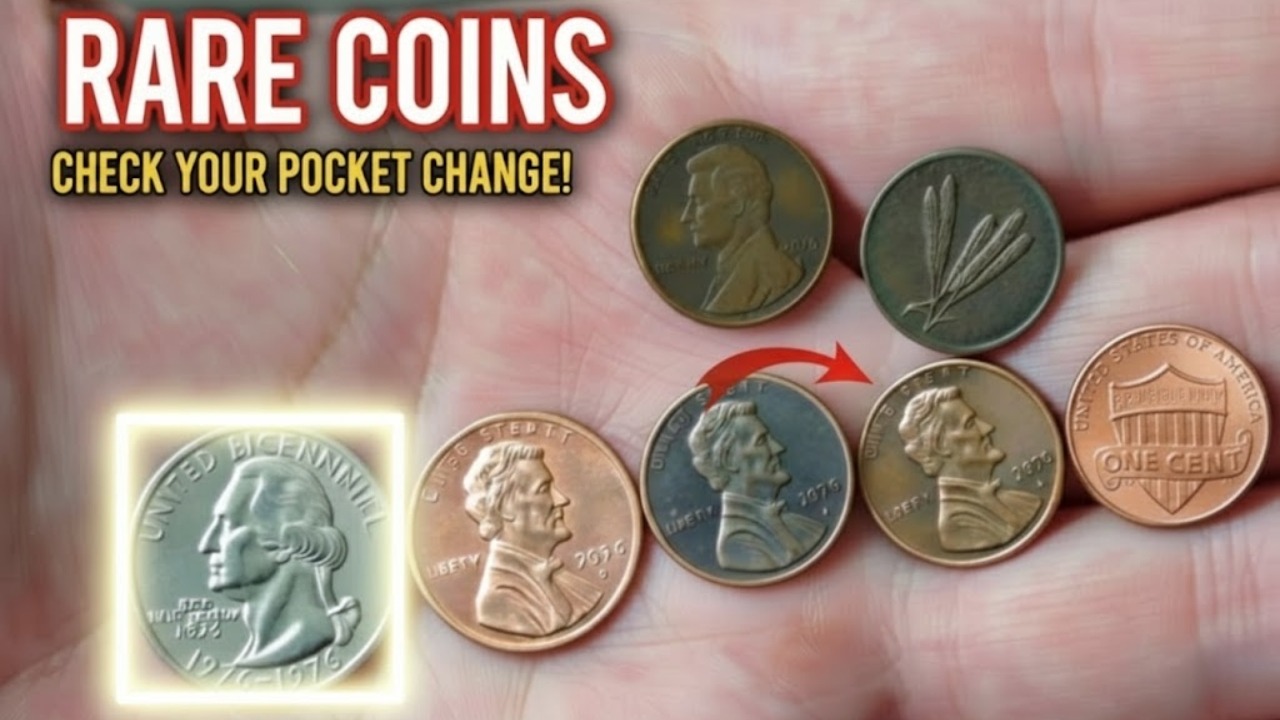
Wheat pennies, officially known as Lincoln Wheat cents, are among the most beloved coins in American numismatics. Minted between 1909 and 1958, these coins feature the iconic portrait of Abraham Lincoln on the obverse and two wheat stalks on the reverse. Their historical significance, combined with their accessibility, makes them a cornerstone for both beginner and advanced collectors. Over the past decade, from 2015 to 2025, the value of wheat pennies has experienced notable fluctuations influenced by market demand, rarity, and overall interest in coin collecting.
Historical Context of Wheat Pennies
The wheat penny was introduced in 1909 to commemorate the centennial of Abraham Lincoln’s birth. Designed by Victor David Brenner, the coin quickly became a symbol of American heritage. Collectors often seek out specific varieties such as the 1909-S VDB, the 1914-D, and the 1922 no-D penny, which are considered key dates. Understanding the historical background helps collectors appreciate why certain coins command higher premiums and why their values continue to trend upward over time.
Market Trends from 2015 to 2020
Between 2015 and 2020, wheat penny values showed steady growth. Common-date coins in circulated condition remained affordable, often selling for just a few cents to a dollar. However, uncirculated examples and rare varieties saw significant appreciation. For instance, the 1909-S VDB penny, already a prized rarity, increased in value due to heightened demand from new collectors entering the market. Auction records during this period reflected strong interest, with high-grade coins achieving record prices.
The Impact of Online Collecting Communities
The rise of online marketplaces and collector forums between 2015 and 2020 played a crucial role in shaping wheat penny values. Platforms allowed collectors to easily buy, sell, and trade coins, expanding access to rare varieties. This digital shift also increased transparency in pricing, as collectors could compare values across multiple sources. As a result, coins that were once considered niche gained broader recognition, fueling demand and driving prices upward.
Value Trends from 2020 to 2025
From 2020 to 2025, wheat penny values continued to rise, particularly for coins in higher grades. The COVID-19 pandemic initially slowed physical coin shows, but online auctions surged, keeping the market active. Collectors sought tangible assets during uncertain times, and wheat pennies benefited from this renewed interest. By 2025, rare varieties such as the 1914-D and 1922 no-D penny reached new price levels, while common-date coins in mint state condition also appreciated steadily.
Key Dates and Their Performance
Certain wheat pennies consistently outperform others due to rarity and demand. The 1909-S VDB remains the most famous, with values climbing steadily across all grades. The 1914-D penny, known for its scarcity, has shown strong appreciation, particularly in fine and very fine conditions. The 1922 no-D penny, a result of a minting error, continues to attract collectors and commands high premiums. These key dates serve as benchmarks for evaluating overall market trends.

Condition and Grading Influence
The condition of a wheat penny is one of the most important factors in determining its value. Coins are graded on a scale from poor to mint state, with higher grades commanding exponentially higher prices. For example, a common 1940 wheat penny in circulated condition may only be worth a few cents, but in mint state it can fetch several dollars. Professional grading services have become increasingly popular between 2015 and 2025, providing collectors with confidence in authenticity and condition.
The Role of Rarity and Mintage Numbers
Rarity plays a central role in wheat penny values. Coins with low mintage numbers or unique varieties naturally attract higher demand. For instance, the 1931-S penny, with a relatively low mintage, has consistently held strong value. Collectors often study mintage charts to identify which coins are likely to appreciate over time. Between 2015 and 2025, awareness of these rarities expanded, leading to greater competition among buyers.
Investment Potential of Wheat Pennies
Wheat pennies are not only cherished collectibles but also viable investment assets. Over the past decade, their consistent appreciation has attracted investors seeking diversification. While common-date coins may not yield significant returns, rare varieties and high-grade examples have proven to be strong performers. Collectors who purchased key dates in earlier years often saw substantial gains by 2025, reinforcing the investment appeal of these coins.
Influence of Numismatic Events and Auctions
Major coin auctions and numismatic events have a direct impact on wheat penny values. Record-breaking sales often set new benchmarks for specific varieties. For example, when a high-grade 1909-S VDB penny sells for an unprecedented amount, it raises the perceived value of similar coins across the market. Between 2015 and 2025, several headline auctions contributed to renewed interest in wheat pennies, further driving demand.

Collector Demand and Generational Shifts
The collector base for wheat pennies has evolved over the past decade. Younger collectors, often introduced through online platforms, have shown strong interest in affordable coins like wheat pennies. This generational shift has expanded the market, ensuring continued demand. At the same time, seasoned collectors remain focused on acquiring rare varieties, creating a balanced market that supports both entry-level and advanced collecting.
Common-Date Wheat Pennies in Circulation
While rare varieties command headlines, common-date wheat pennies remain an accessible entry point for collectors. Coins from the 1940s and 1950s are widely available, often found in circulation or inherited collections. Their values have remained modest, but uncirculated examples have appreciated steadily. For new collectors, these coins provide an affordable way to begin building a collection while learning about grading and value trends.

The Future Outlook Beyond 2025
Looking ahead, wheat penny values are expected to continue their upward trajectory. As coin collecting grows globally, demand for American classics like the wheat penny will remain strong. Rare varieties will likely see further appreciation, while common-date coins in high grades will continue to gain value. The combination of historical significance, accessibility, and investment potential ensures that wheat pennies will remain a cornerstone of numismatics well beyond 2025.
Conclusion
The decade from 2015 to 2025 has been a dynamic period for wheat penny collectors. Values have risen steadily, driven by rarity, condition, and growing demand across generations. Online platforms, numismatic events, and investment interest have all contributed to shaping the market. Whether pursuing rare key dates or building a collection of common coins, collectors can take confidence in the enduring appeal of wheat pennies. Their legacy as both historical artifacts and valuable assets ensures that they will continue to captivate collectors for years to come.
