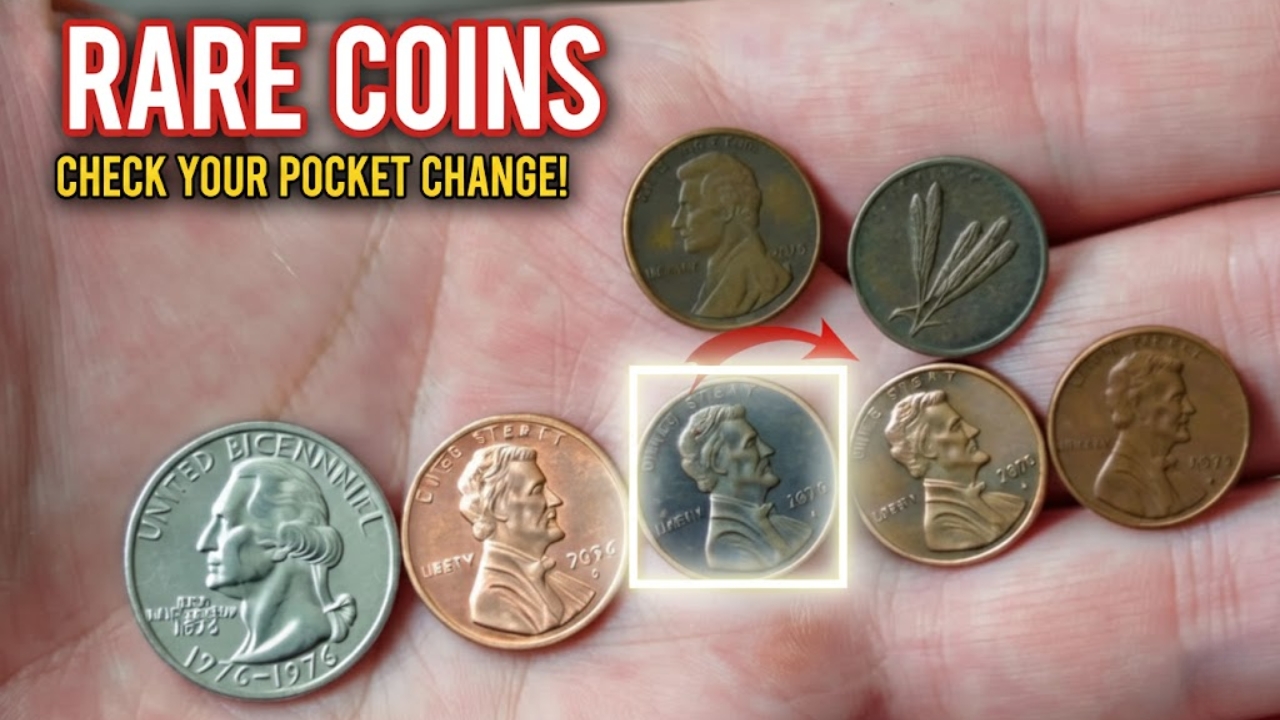
Wheat pennies, officially known as Lincoln Wheat Cents, are among the most iconic coins in American numismatic history. Minted between 1909 and 1958, these coins feature the familiar portrait of Abraham Lincoln on the obverse and two wheat stalks on the reverse. Their historical significance, combined with their accessibility, has made them a favorite starting point for collectors. Over the past decade, the value of wheat pennies has shown notable trends, influenced by rarity, condition, and market demand.
Historical Background of Wheat Pennies
The Lincoln Wheat Cent was introduced in 1909 to commemorate the centennial of Abraham Lincoln’s birth. Designed by Victor David Brenner, the coin marked a departure from classical imagery, placing a beloved president on everyday currency. The wheat stalks symbolized prosperity and growth, reflecting the agricultural roots of the nation. Collectors today value these coins not only for their monetary worth but also for their cultural and historical resonance.
Factors That Influence Wheat Penny Value
Several factors determine the value of wheat pennies. The most important include:
- Mint Year and Mint Mark: Coins from certain years, such as 1909-S VDB or 1914-D, are highly sought after due to limited production.
- Condition and Grade: Coins graded higher by professional services command significantly higher prices. A penny in uncirculated condition can be worth hundreds or even thousands of dollars compared to a worn example.
- Rarity and Errors: Rare varieties, such as doubled dies or off-center strikes, can dramatically increase value.
- Market Demand: Collector interest fluctuates, often influenced by broader economic conditions and trends in numismatics.
General Value Trends Over the Past Decade
Over the last ten years, wheat penny values have experienced steady growth. Common-date coins in average circulated condition have remained affordable, often selling for a few cents to a dollar. However, key dates and rare varieties have seen consistent appreciation. For example, the 1909-S VDB penny has steadily risen in value, reflecting its enduring desirability. Similarly, coins from the 1920s and 1930s in high grades have shown upward momentum.
Price Guide for Common Wheat Pennies
For collectors seeking to build a foundational set, common wheat pennies are readily available. Circulated examples from the 1940s and 1950s typically range from 10 to 50 cents each. Uncirculated coins from these years may fetch between 2 and 5 dollars. While these values may not seem dramatic, they provide an accessible entry point for new collectors and can appreciate modestly over time.
Price Guide for Key Date Wheat Pennies
Key dates are the cornerstone of wheat penny collecting. These coins are rare and command premium prices. Examples include:

- 1909-S VDB: Often valued between 700 and 1,500 dollars depending on condition.
- 1914-D: Ranges from 200 dollars in lower grades to over 3,000 dollars in uncirculated condition.
- 1922 No D: A variety without the Denver mint mark, valued from 500 dollars upward.
- 1931-S: Typically priced between 75 and 200 dollars.
These coins have consistently appreciated over the past decade, making them strong investments for collectors.
The Role of Coin Grading in Value Trends
Professional grading has become increasingly important in determining wheat penny values. Coins certified by services such as PCGS or NGC often sell for significantly more than raw coins. Over the past ten years, the premium for graded coins has widened, reflecting collectors’ desire for authenticity and assurance. A coin graded MS65 or higher can command multiples of its ungraded counterpart.

Market Demand and Collector Interest
Collector interest in wheat pennies has remained strong, driven by nostalgia and historical significance. Many collectors begin with wheat pennies due to their affordability and availability. Online marketplaces and coin shows have made access easier, fueling demand. Over the past decade, the rise of digital platforms has expanded the collector base, ensuring steady interest in these coins.
Investment Potential of Wheat Pennies
While wheat pennies are not typically viewed as speculative investments, key dates and high-grade examples have proven to be reliable stores of value. Over the past ten years, prices for rare varieties have shown resilience even during economic downturns. Collectors who focus on quality and rarity often see consistent appreciation, making wheat pennies a stable addition to a diversified numismatic portfolio.
Error Varieties and Their Impact on Value
Error coins have always fascinated collectors, and wheat pennies are no exception. Varieties such as doubled dies, repunched mint marks, and off-center strikes can command significant premiums. For example, the 1955 doubled die penny remains one of the most famous error coins, valued from several hundred to thousands of dollars depending on grade. Over the past decade, interest in error varieties has grown, adding another dimension to wheat penny collecting.
Long-Term Trends in Wheat Penny Collecting
Looking back over the past ten years, wheat penny collecting has shown remarkable stability. While values for common coins have remained relatively flat, key dates and rare varieties have steadily appreciated. This trend suggests that wheat pennies will continue to hold their place as a cornerstone of American coin collecting. Their combination of accessibility, history, and rarity ensures enduring appeal.
Building a Wheat Penny Collection
For collectors interested in starting or expanding their wheat penny collection, a strategic approach is essential. Begin with common-date coins to build a foundation, then gradually add key dates and error varieties. Focus on condition and authenticity, and consider professional grading for valuable coins. Over time, a well-curated collection can provide both enjoyment and financial reward.
Conclusion
Wheat pennies remain one of the most beloved coins in American numismatics. Over the past decade, their values have shown steady trends, with common coins remaining accessible and rare varieties appreciating significantly. Collectors continue to be drawn to their historical significance, nostalgic appeal, and investment potential. Whether building a modest set or pursuing rare treasures, wheat pennies offer a rewarding journey through history and value.

This 10‑year price guide highlights the enduring strength of wheat pennies in the collector market. Their stability, combined with the potential for appreciation, ensures that they will remain a cornerstone of coin collecting for years to come.