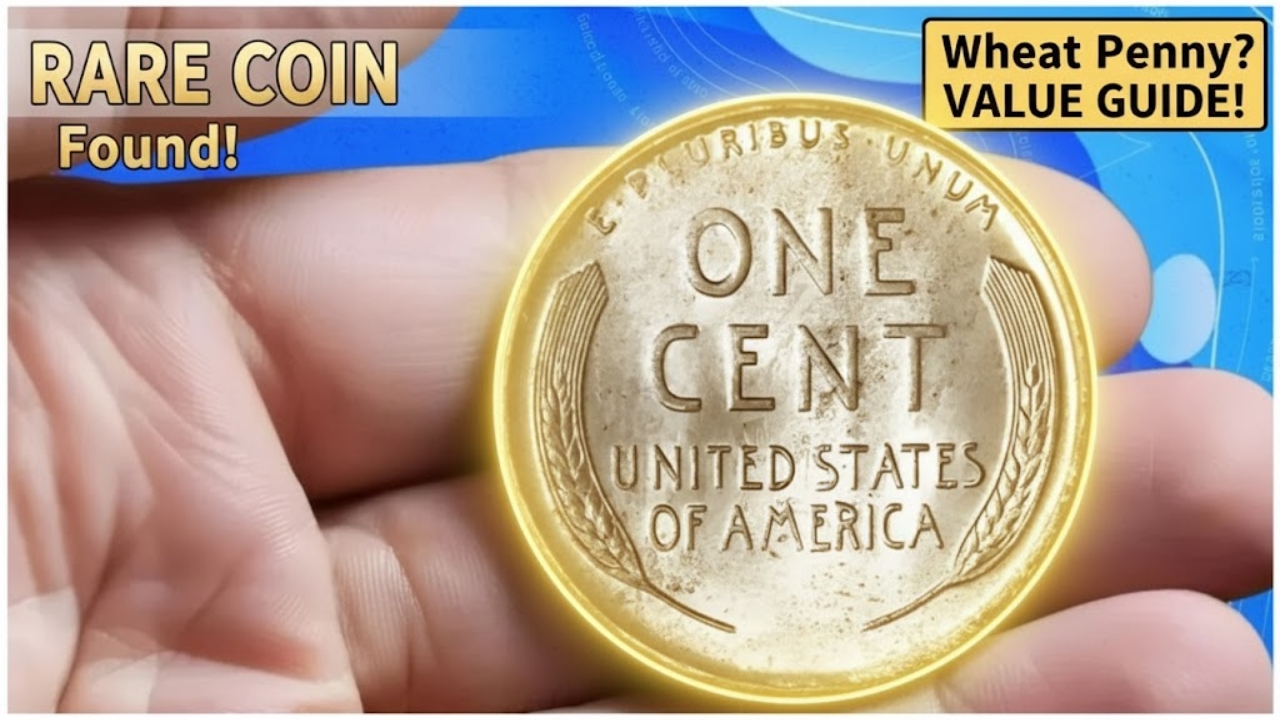
The Lincoln Wheat Penny, minted between 1909 and 1958, remains one of the most iconic coins in American numismatic history. Collectors are drawn to its classic design, historical significance, and the potential for discovering rare varieties that hold substantial value. The wheat ears on the reverse symbolize prosperity, while the obverse features Abraham Lincoln, making it the first U.S. coin to depict a real person. Over the decades, these pennies have become a cornerstone of coin collecting, offering both affordable entry points and high-value rarities.
Historical Background of the Wheat Penny
Introduced in 1909 to commemorate the centennial of Abraham Lincoln’s birth, the Wheat Penny replaced the Indian Head cent. Designed by Victor David Brenner, the coin quickly gained popularity. The initials “VDB” on the reverse of some 1909 issues sparked controversy, leading to their removal and later reintroduction in a subtler form. The coin was produced in Philadelphia, Denver, and San Francisco mints, with variations in mint marks contributing to its collectability. The Wheat Penny remained in circulation until 1958, when it was replaced by the Lincoln Memorial design.
Key Factors That Determine Value
Several elements influence the value of Wheat Pennies. Condition is paramount, with uncirculated coins commanding far higher prices than worn examples. Mint marks also play a crucial role, as coins from San Francisco and Denver often had lower mintages compared to Philadelphia. Rarity is another factor, with certain years and varieties being exceptionally scarce. Errors, such as doubled dies or off-center strikes, can dramatically increase a coin’s worth. Collectors also consider historical significance, as coins tied to major events or design changes often carry premium value.
Rare and Valuable Wheat Pennies
Among the most sought-after Wheat Pennies is the 1909-S VDB, produced in limited numbers at the San Francisco Mint. Another standout is the 1914-D, which had a low mintage and is highly prized in higher grades. The 1922 “No D” penny, a result of a worn die at the Denver Mint, is another rarity that excites collectors. The 1931-S, with its small production run during the Great Depression, also holds significant value. These coins represent the pinnacle of Wheat Penny collecting, often fetching hundreds or even thousands of dollars depending on condition.
Complete Price Chart Overview
The value of Wheat Pennies varies widely across the series. Common dates in circulated condition may only be worth a few cents to a dollar, while uncirculated examples can reach several dollars. Semi-key dates, such as the 1924-D or 1931-S, often range from tens to hundreds of dollars. Key dates like the 1909-S VDB or 1914-D can command prices in the thousands, especially in mint state condition. Error coins, depending on rarity and demand, can exceed even these figures. A comprehensive price chart allows collectors to quickly assess the potential value of their coins.
Collecting Strategies for Beginners
For those new to coin collecting, Wheat Pennies offer an accessible starting point. Many can be found in circulation or purchased inexpensively from dealers. Beginners should focus on building a complete set by year and mint mark, gradually upgrading to higher-quality coins as their budget allows. Learning to grade coins accurately is essential, as condition directly impacts value. Collectors should also familiarize themselves with common varieties and errors to avoid overlooking valuable pieces. Patience and persistence are key, as building a meaningful collection takes time.
Advanced Collecting and Investment Potential
Experienced collectors often pursue high-grade examples or rare varieties to enhance their collections. Investing in Wheat Pennies can be rewarding, as key dates and rarities tend to appreciate over time. However, the market can fluctuate, so knowledge and careful purchasing are essential. Collectors may choose to specialize in certain aspects, such as error coins or specific mint marks. Professional grading services can provide authentication and ensure accurate valuation, adding credibility to investment-grade coins. For those seeking long-term value, focusing on rarity and condition is the most reliable strategy.
Preservation and Storage Tips
Proper care is vital to maintaining the value of Wheat Pennies. Coins should be stored in a cool, dry environment to prevent corrosion. Acid-free holders, albums, or slabs from professional grading services offer protection against environmental damage. Handling coins by the edges and avoiding direct contact with fingers helps preserve their surfaces. Cleaning coins is strongly discouraged, as it can significantly reduce their value. Collectors should also consider insurance for high-value collections to safeguard against loss or damage.
The Legacy of Wheat Pennies
The Wheat Penny holds a special place in American history and numismatics. It represents a period of transition in coin design, introducing realism and honoring a national figure. Its widespread circulation means that nearly every American has encountered one, creating a shared cultural memory. For collectors, the series offers endless opportunities for discovery, from common coins to rare treasures. The enduring appeal of Wheat Pennies ensures they will remain a cornerstone of coin collecting for generations to come.
Conclusion
The Wheat Penny series from 1909 to 1958 provides a fascinating journey through American coinage. With its blend of historical significance, artistic design, and collectible value, it continues to captivate both novice and seasoned collectors. Whether pursuing a complete set, hunting for rare varieties, or investing in high-grade examples, collectors find endless satisfaction in these coins. A complete price chart serves as a valuable tool, guiding enthusiasts in assessing and appreciating their collections. Ultimately, the Wheat Penny is more than just currency—it is a timeless artifact that connects us to history and the enduring spirit of collecting.