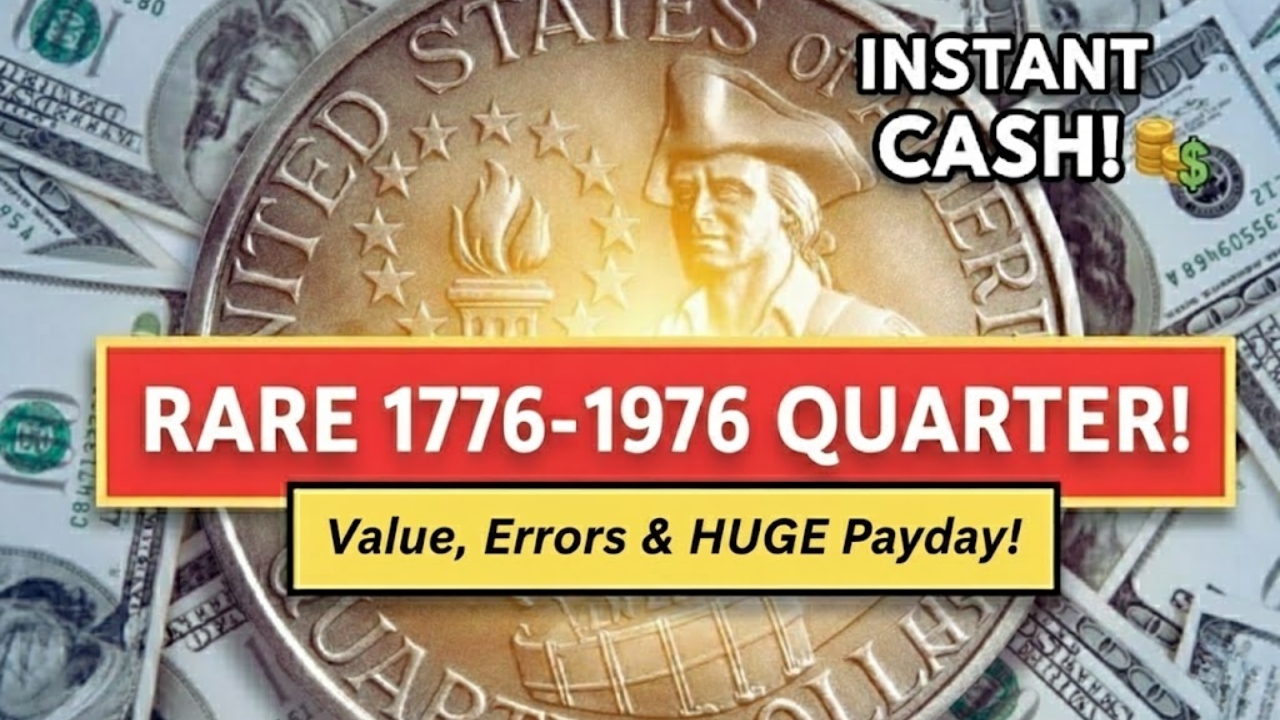
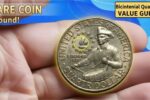
The 1776–1976 Bicentennial Liberty Quarter is one of the most iconic coins in American numismatic history. Released to commemorate the 200th anniversary of the United States, this quarter stands out with its unique reverse design featuring a colonial drummer and a torch surrounded by thirteen stars. Collectors and enthusiasts alike are drawn to its historical significance, distinctive design, and the potential value it holds in today’s coin market. While millions were minted, certain rare errors and conditions make some examples far more valuable than others.
Historical Background of the Bicentennial Quarter
The Bicentennial Quarter was part of a larger program celebrating America’s 200th birthday. Alongside the quarter, special designs were also issued for the half dollar and dollar coins. The quarter’s reverse was designed by Jack L. Ahr, chosen through a national competition. Unlike standard quarters, these coins bear the dual date “1776–1976” instead of a single year, symbolizing the nation’s bicentennial celebration. They were struck in both circulation and collector versions, including clad and silver compositions, making them a fascinating study for numismatists.
Design Features That Make It Unique
The obverse of the coin retains the familiar portrait of George Washington, but the reverse sets it apart. The colonial drummer, accompanied by a victory torch and thirteen stars, reflects the spirit of independence and unity. This design was only used during the bicentennial period, ensuring that no other quarters carry the same imagery. Collectors often seek coins with sharp details and minimal wear, as these highlight the artistry and historical symbolism embedded in the design.
Minting and Production Details
The Bicentennial Quarter was minted in massive numbers across several facilities, including Philadelphia, Denver, and San Francisco. Circulation strikes were produced in copper-nickel clad, while proof and collector versions included 40% silver options. The San Francisco Mint issued proof sets that are especially prized by collectors today. Despite the large mintage, certain varieties and errors emerged, creating opportunities for rare and valuable finds.
Common Circulated Value
Most Bicentennial Quarters found in circulation today are worth only their face value of twenty-five cents. Because so many were produced, the majority remain common. However, uncirculated examples, especially those preserved in mint sets, can command higher prices. Coins graded in high mint state conditions often sell for a few dollars, reflecting their appeal to collectors who value pristine quality.
Silver Bicentennial Quarters
One of the most desirable versions of the Bicentennial Quarter is the 40% silver edition. These were sold in special collector sets and never released for general circulation. Their intrinsic silver content alone gives them a higher baseline value, often several dollars depending on silver market prices. High-grade silver proofs can fetch even more, especially when certified by professional grading services.
Rare Errors That Increase Value
Error coins are among the most exciting finds for collectors. Bicentennial Quarters with minting mistakes can be worth hundreds or even thousands of dollars. Some notable errors include double strikes, off-center strikes, and coins struck on the wrong planchet. For example, a Bicentennial Quarter mistakenly struck on a dime planchet is extremely rare and highly valuable. These errors are prized because they represent anomalies in the minting process, making them unique pieces of history.
Proof and Mint Set Values
Proof Bicentennial Quarters, especially those from the San Francisco Mint, are highly collectible. These coins were struck with specially prepared dies, resulting in sharp details and mirror-like finishes. Proof sets containing the Bicentennial Quarter often sell for more than face value, particularly when kept in original packaging. Mint sets, which include uncirculated examples from different mints, also hold appeal for collectors seeking complete collections.
Grading and Condition Importance
The value of any coin is heavily influenced by its condition. Professional grading services evaluate coins based on strike quality, luster, and preservation. Bicentennial Quarters graded at Mint State 65 or higher can command significant premiums compared to average circulated examples. Collectors often invest in certified coins to ensure authenticity and quality, which adds confidence when buying or selling.
Market Demand and Collector Interest
The Bicentennial Quarter continues to attract interest decades after its release. Its historical significance ensures a steady demand among collectors, while its unique design appeals to casual hobbyists. Market values fluctuate based on collector trends, silver prices, and the availability of rare errors. As more people discover coin collecting, the Bicentennial Quarter remains a popular entry point into the hobby.
Selling Prices in Today’s Market
Selling prices for Bicentennial Quarters vary widely. Common circulated examples typically sell for face value, while uncirculated coins may bring in a few dollars. Silver proofs often range from five to fifteen dollars, depending on condition and silver prices. Rare error coins, however, can sell for hundreds or even thousands of dollars at auction. Collectors should research current market trends and consider professional appraisals when selling valuable examples.
Tips for Collectors and Sellers
For collectors, the key to building a valuable Bicentennial Quarter collection lies in focusing on condition, rarity, and completeness. Seeking out proof sets, silver editions, and certified high-grade coins can enhance the collection’s value. Sellers should carefully evaluate their coins, consider grading services, and explore auction platforms for rare errors. Understanding the market ensures fair pricing and maximizes returns.
Conclusion
The 1776–1976 Bicentennial Liberty Quarter is more than just a piece of currency; it is a symbol of American history and independence. While most examples remain common, rare errors, silver editions, and high-grade coins hold significant value. Collectors cherish these quarters for their unique design and historical importance, while sellers can benefit from understanding market demand and pricing strategies. Whether kept as a nostalgic keepsake or pursued as a valuable collectible, the Bicentennial Quarter continues to shine as a timeless reminder of America’s bicentennial celebration.