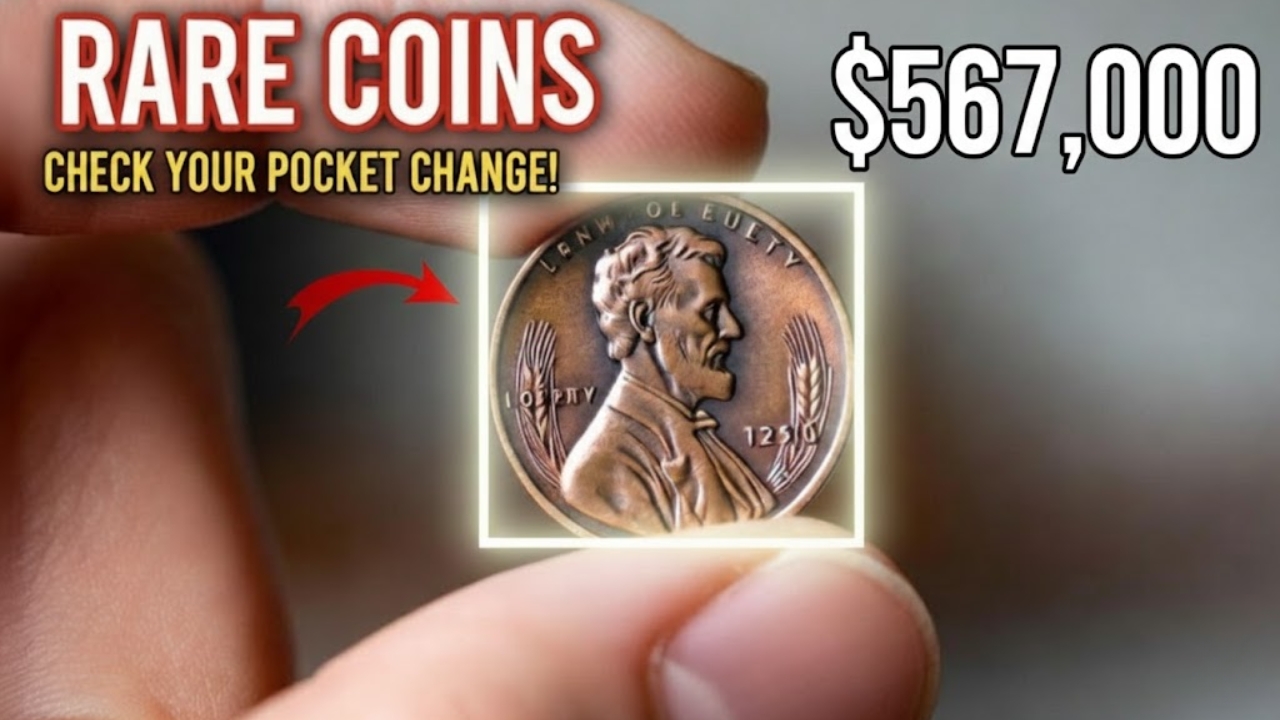
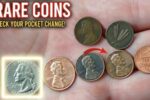
Finding a rare coin in everyday pocket change is the kind of story that captures the imagination of collectors and casual enthusiasts alike. Recently, a Lincoln Wheat Penny valued at an astonishing $567,000 was discovered in circulation, proving that treasures can still be hiding in plain sight. This remarkable event highlights not only the enduring legacy of the Lincoln cent but also the excitement of numismatics, where history and value intersect in surprising ways.
The History of the Lincoln Wheat Penny
The Lincoln Wheat Penny was first introduced in 1909 to commemorate the centennial of Abraham Lincoln’s birth. Designed by Victor David Brenner, the coin featured Lincoln’s portrait on the obverse and two wheat stalks on the reverse, symbolizing prosperity and agricultural strength. It was the first American coin to feature a real person rather than allegorical figures, marking a significant shift in U.S. coinage design. Produced until 1958, the Wheat Penny remains one of the most beloved coins among collectors due to its historical significance and nostalgic appeal.
Why This Penny Is So Valuable
Not every Wheat Penny commands such a staggering price. The coin discovered in pocket change is rare because of its unique minting error and limited production. Certain variations, such as the 1943 copper penny or the 1955 doubled-die penny, are considered holy grails in coin collecting. These coins were produced under unusual circumstances, often due to mistakes at the mint, and only a handful exist today. The rarity, combined with demand from collectors, drives the value into hundreds of thousands of dollars.
Minting Errors and Their Impact
Minting errors are one of the most fascinating aspects of coin collecting. They occur when something goes wrong during the production process, resulting in coins that differ from the standard design. Errors can include doubled dies, off-center strikes, wrong planchets, or unusual compositions. While most errors are caught and corrected, a few slip into circulation, becoming prized possessions for collectors. The Lincoln Wheat Penny discovered in pocket change belongs to this category, making it a once-in-a-lifetime find.
The Thrill of Coin Collecting
Coin collecting, or numismatics, is more than just a hobby; it is a journey through history. Each coin tells a story about the era in which it was minted, the values of society, and the technological advancements of the time. Collectors often describe the thrill of searching through rolls of coins or pocket change, hoping to uncover something rare. The discovery of a $567,000 Wheat Penny validates this passion, showing that extraordinary finds are still possible even in everyday transactions.
How to Identify Rare Pennies
For those inspired by this discovery, learning how to identify rare pennies is essential. Collectors look for specific features such as mint marks, dates, and unusual characteristics. For example, pennies minted in Denver carry a “D” mark, while those from San Francisco bear an “S.” Certain years, like 1909-S VDB or 1943 copper, are especially valuable. Magnification tools help spot doubled dies or other subtle errors. Knowledge, patience, and attention to detail are the keys to recognizing hidden treasures.

The Role of Condition and Grading
Condition plays a critical role in determining the value of a coin. Professional grading services evaluate coins based on their wear, luster, and strike quality. A coin in mint state condition can be worth exponentially more than one that is heavily circulated. The $567,000 Wheat Penny was preserved in exceptional condition, which contributed significantly to its valuation. Collectors often store coins in protective holders to prevent damage and maintain their value over time.
Stories of Other Rare Finds
The discovery of rare coins in circulation is not unprecedented. Over the years, collectors and ordinary people alike have stumbled upon valuable pieces. The 1913 Liberty Head nickel, for instance, was once found in a dealer’s collection and later sold for millions. Similarly, the 1943 copper penny has surfaced in pocket change, astonishing those who found it. These stories fuel the excitement of numismatics, reminding enthusiasts that history can reveal itself in the most unexpected places.
The Cultural Significance of the Lincoln Penny
Beyond its monetary value, the Lincoln Penny holds cultural significance. It represents the enduring legacy of Abraham Lincoln, a symbol of unity and leadership during one of America’s most challenging periods. The Wheat design reflects the nation’s agricultural roots, while later designs with the Lincoln Memorial and Union Shield continue to evolve with the country’s identity. Collecting these coins is not just about wealth but about preserving a piece of American heritage.
The Market for Rare Coins
The coin market is a dynamic space where rarity, demand, and condition converge to determine value. Auctions often feature rare pennies that attract intense bidding wars among collectors. Prices can fluctuate based on market trends, but truly rare coins maintain their value due to their scarcity. The $567,000 Wheat Penny is a testament to how high the market can go when a coin combines rarity, historical importance, and pristine condition.
Tips for Aspiring Collectors
For those interested in starting a coin collection, the journey begins with curiosity and patience. Start by examining coins in circulation, paying attention to dates and mint marks. Educate yourself through books, guides, and collector communities. Investing in magnifying tools and protective holders can help preserve your finds. Most importantly, enjoy the process. Coin collecting is as much about discovery and learning as it is about value.
The Future of Coin Collecting
As digital transactions become more common, physical coins may seem less relevant. However, coin collecting continues to thrive because of its historical and cultural significance. Rare finds like the $567,000 Wheat Penny keep the hobby alive, inspiring new generations to explore numismatics. The future of collecting lies not only in preserving coins but also in appreciating the stories they tell about human history and progress.

Conclusion
The discovery of a rare Lincoln Wheat Penny worth $567,000 in pocket change is a reminder that extraordinary treasures can still be found in everyday life. It highlights the enduring appeal of coin collecting, the importance of historical preservation, and the thrill of uncovering something rare. For collectors and enthusiasts, this story reinforces the belief that numismatics is more than a hobby—it is a gateway to history, culture, and unexpected fortune.