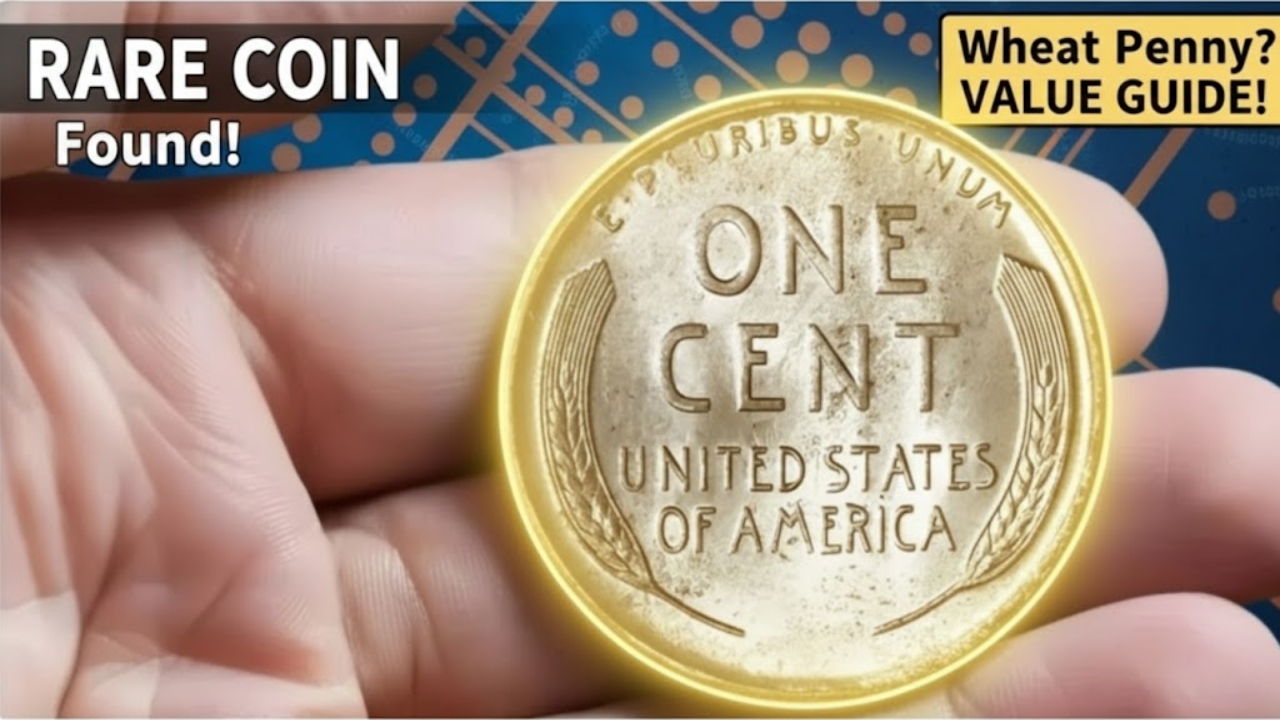
The Wheat penny, officially known as the Lincoln cent, was first introduced in 1909 to commemorate the centennial of Abraham Lincoln’s birth. Designed by Victor David Brenner, the coin features Lincoln’s portrait on the obverse and two wheat stalks on the reverse, symbolizing prosperity and growth. These coins quickly became a staple of American currency and remain one of the most collected series in numismatics. Between 1909 and 1940, the Wheat penny underwent several changes in minting, rarity, and value, making this era particularly fascinating for collectors.
Historical Context of the Wheat Penny
The early 20th century was a time of economic change in the United States. The introduction of the Lincoln cent marked the first time a real person appeared on American coinage, breaking from the tradition of allegorical figures. The Wheat design was chosen to represent the agricultural strength of the nation. During this period, coins were struck at multiple mints, including Philadelphia, Denver, and San Francisco, each producing variations that today influence rarity and value. Collectors often focus on these early decades because they include some of the most sought-after key dates.
Key Dates and Rarities
Certain Wheat pennies from 1909 to 1940 are considered key dates due to their low mintage numbers or unique characteristics. The 1909-S VDB is perhaps the most famous, with only 484,000 minted, making it highly desirable. Other notable rarities include the 1914-D, the 1922 “No D” variety, and the 1931-S. These coins command significant premiums in the collector market, especially in higher grades. Understanding which dates are rare is essential for building a valuable collection.
Mint Marks and Their Importance
Mint marks play a crucial role in determining the value of Wheat pennies. Coins minted in Philadelphia carry no mint mark, while those from Denver are marked with a “D” and those from San Francisco with an “S.” Collectors often seek complete sets that include all mint variations for each year. For example, a 1914-D penny is far rarer than its Philadelphia counterpart, and the mint mark alone can elevate its value dramatically. Paying attention to mint marks is one of the most important aspects of evaluating Wheat pennies.
Condition and Grading
The condition of a coin is a primary factor in its value. Professional grading services use a scale from Poor (P-1) to Mint State (MS-70) to assess coins. Wheat pennies in circulated condition may be worth only a few cents, while those in uncirculated grades can fetch hundreds or even thousands of dollars. Collectors should learn to recognize wear patterns, luster, and strike quality. Coins with sharp details and minimal wear are always more desirable. Proper storage and handling are essential to preserve condition and maximize value.
Price Ranges for Common Dates
While rare dates attract headlines, most Wheat pennies from 1909 to 1940 are relatively common. In circulated condition, these coins often trade for between ten cents and a few dollars. However, even common dates can become valuable in higher grades. For example, a 1936 penny in Mint State condition may be worth significantly more than its circulated counterpart. Collectors often accumulate large numbers of common Wheat pennies as part of their journey toward completing a full set.
The Role of Errors and Varieties
Error coins and varieties add another layer of interest to Wheat penny collecting. Misstrikes, doubled dies, and off-center strikes are examples of errors that can increase a coin’s value. The 1922 “No D” penny is a famous variety where the Denver mint mark was accidentally omitted. Such coins are highly prized because they represent anomalies in the minting process. Collectors who specialize in varieties often pay premiums for these unique pieces, making them an exciting part of the hobby.
Collecting Strategies
Building a Wheat penny collection requires strategy and patience. Some collectors aim for a complete set of all dates and mint marks, while others focus on acquiring only the key rarities. Another approach is to collect by condition, seeking the highest-grade examples available. Beginners may start with rolls of common Wheat pennies to learn grading and identification before moving on to rarer pieces. Establishing a clear collecting goal helps guide purchases and ensures a rewarding experience.
Investment Potential
Wheat pennies are not only a hobby but also an investment. Rare coins have consistently appreciated in value over time, especially those in high grades. The 1909-S VDB, for instance, has seen steady growth in market price over decades. While not every coin will yield significant returns, building a collection of key dates and varieties can provide both enjoyment and financial reward. As with any investment, knowledge and careful selection are critical to success.
Preservation and Storage
Proper preservation is essential to maintain the value of Wheat pennies. Coins should be stored in acid-free holders or albums to prevent damage. Handling should be minimized, and when necessary, coins should be touched only by the edges to avoid fingerprints. Environmental factors such as humidity and temperature can also affect condition, so storage in a controlled environment is recommended. Collectors who take care of their coins ensure that their collections remain valuable for generations.
Market Trends and Demand
The market for Wheat pennies remains strong due to their historical significance and accessibility. Collectors of all ages are drawn to these coins, and demand for key dates continues to rise. Auction houses regularly feature Wheat pennies, and prices often exceed estimates for rare examples. The enduring popularity of the Lincoln cent ensures that Wheat pennies will remain a cornerstone of numismatics. Understanding market trends helps collectors make informed decisions when buying or selling.
Conclusion
The Wheat penny series from 1909 to 1940 offers collectors a rich field of history, rarity, and value. From the iconic 1909-S VDB to the elusive 1922 “No D,” these coins capture the essence of American numismatics. Collectors who study mint marks, grading, and varieties can build collections that are both personally rewarding and financially valuable. Whether pursued as a hobby or an investment, Wheat pennies continue to fascinate and inspire, making them a timeless treasure in the world of coin collecting.