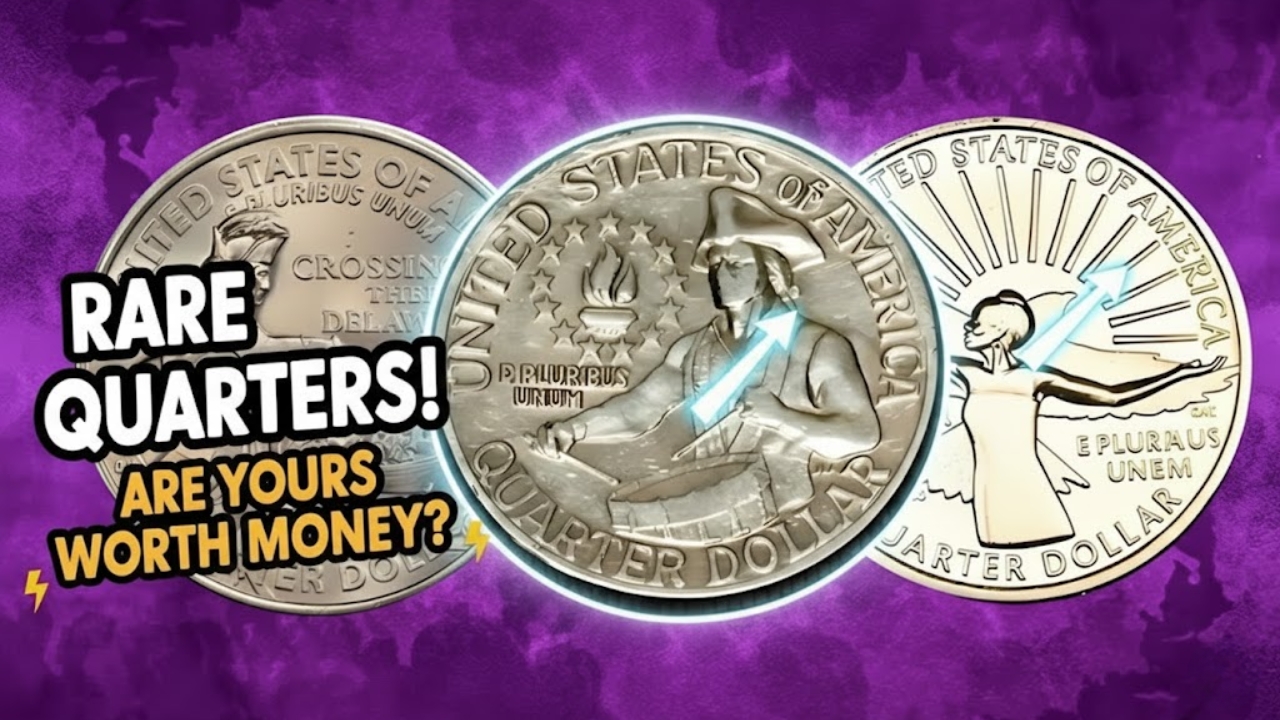
The United States Mint launched the 50 State Quarters Program in 1999, a groundbreaking initiative that celebrated each state with a unique design on the reverse side of the quarter. This program ran until 2008, producing coins that quickly became popular among collectors and the general public. The appeal of these quarters lies not only in their artistic representation of state history and culture but also in their potential value as collectibles. Over the past eleven years, the market for state quarters has experienced notable fluctuations, influenced by demand, rarity, and condition. Understanding these trends is essential for collectors who wish to evaluate their holdings or plan future acquisitions.
The Beginning of the Market Trend
When the program concluded in 2008, collectors rushed to complete their sets. The initial years following the program saw heightened enthusiasm, with many quarters trading at premiums above face value. The excitement was fueled by the novelty of the designs and the widespread participation of casual collectors. During this period, uncirculated and proof sets commanded strong prices, while circulated coins held modest premiums. The market was characterized by accessibility, as millions of Americans had collected these coins directly from circulation.
Factors Driving Value Changes
Several factors have influenced the value of state quarters over the past eleven years. Rarity plays a significant role, with certain issues produced in lower mintages commanding higher prices. Condition is equally important, as coins graded in mint state or proof condition often sell for multiples of their face value. Market demand also fluctuates based on broader trends in numismatics, with periods of heightened interest driving prices upward. Additionally, economic conditions and the rise of online marketplaces have shaped how collectors buy and sell these coins, making values more transparent and competitive.
Early Value Peaks and Collector Enthusiasm
In the years immediately following the program’s conclusion, values for state quarters reached early peaks. Proof sets and uncirculated rolls were especially sought after, with prices reflecting strong collector demand. Many enthusiasts believed these coins would continue to appreciate steadily, leading to speculative buying. During this time, certain quarters such as those from states with lower mintages gained reputations as key issues, further driving their desirability. The market was buoyed by optimism, and values reflected this enthusiasm.
Mid-Period Adjustments and Market Realities
As the initial excitement waned, the market began to adjust. By the mid-2010s, values for many state quarters stabilized, with common issues returning closer to face value. Collectors realized that the large mintages of most quarters limited their scarcity, and speculative premiums diminished. However, coins in pristine condition, particularly those graded by professional services, retained strong values. The market shifted toward a more realistic appraisal of supply and demand, with serious collectors focusing on quality rather than quantity.
The Role of Proof and Mint Sets
Proof and mint sets have consistently played a central role in the value trends of state quarters. These sets, produced with higher quality standards and often housed in protective packaging, have maintained premiums over circulation strikes. Over the past eleven years, proof sets have shown resilience in value, appealing to collectors who prioritize craftsmanship and presentation. Mint sets, while more accessible, have also retained collector interest, particularly when complete and well-preserved. These sets highlight the importance of condition and presentation in sustaining value.
Rare Issues and Standout Performers
Among the fifty state quarters, certain issues stand out for their rarity and performance in the market. States with lower mintages, such as Oklahoma or Wisconsin with its famous “extra leaf” variety, have consistently commanded higher prices. Error coins and varieties have also added intrigue, with collectors willing to pay premiums for unique examples. These standout performers illustrate how scarcity and uniqueness can elevate value, even within a series known for its widespread availability.
Influence of Grading and Certification
Professional grading and certification have become increasingly important in determining the value of state quarters. Coins graded at high levels, such as MS-67 or higher, often sell for significant premiums compared to ungraded examples. Certification provides assurance of authenticity and condition, making these coins more attractive to serious collectors and investors. Over the past eleven years, the role of grading has grown, with certified coins forming a distinct segment of the market that often outperforms raw coins.
Online Marketplaces and Accessibility
The rise of online marketplaces has transformed how collectors engage with state quarters. Platforms dedicated to numismatics, as well as general auction sites, have made buying and selling more accessible than ever. This increased transparency has influenced values, as collectors can easily compare prices and track trends. Over the past eleven years, online trading has contributed to a more competitive market, ensuring that values reflect real-time demand and supply. Accessibility has broadened participation, allowing new collectors to enter the market with ease.
Long-Term Value Trends
Examining the past eleven years reveals a clear trajectory in state quarter values. Initial enthusiasm drove early peaks, followed by mid-period adjustments that reflected market realities. Today, values are more stable, with premiums concentrated in rare issues, proof sets, and high-grade coins. While common circulation strikes often trade at or near face value, standout performers continue to attract strong interest. The long-term trend highlights the importance of rarity, condition, and collector demand in sustaining value.
Collector Strategies for Maximizing Value
For collectors seeking to maximize the value of their state quarters, several strategies emerge from the past eleven years of trends. Focusing on quality is paramount, with high-grade coins and certified examples offering the best potential for appreciation. Building complete sets, particularly proof or mint sets, can also enhance value, as completeness adds appeal. Staying informed about varieties and errors ensures that collectors can identify and capitalize on unique opportunities. Finally, patience and long-term perspective are essential, as values often reflect broader cycles in numismatics.
The Future Outlook for State Quarters
Looking ahead, the future of state quarter values will likely continue to reflect the balance of rarity, condition, and demand. While common issues may remain close to face value, rare varieties and high-grade coins are expected to sustain premiums. The enduring appeal of the series ensures that state quarters will remain a fixture in American numismatics, attracting both casual and serious collectors. As new generations discover these coins, demand may experience renewed vitality, supporting long-term value stability.
Conclusion
The state quarter program represents one of the most successful initiatives in modern American coinage, capturing the imagination of millions and creating a lasting legacy. Over the past eleven years, values have followed a dynamic path, shaped by enthusiasm, market adjustments, and collector priorities. For collectors, understanding these trends provides valuable insight into how to evaluate and manage their holdings. Whether pursuing rare varieties, proof sets, or complete collections, the state quarters continue to offer opportunities for enjoyment and investment. Their story is one of cultural significance and numismatic interest, ensuring their place in the history of American coin collecting.