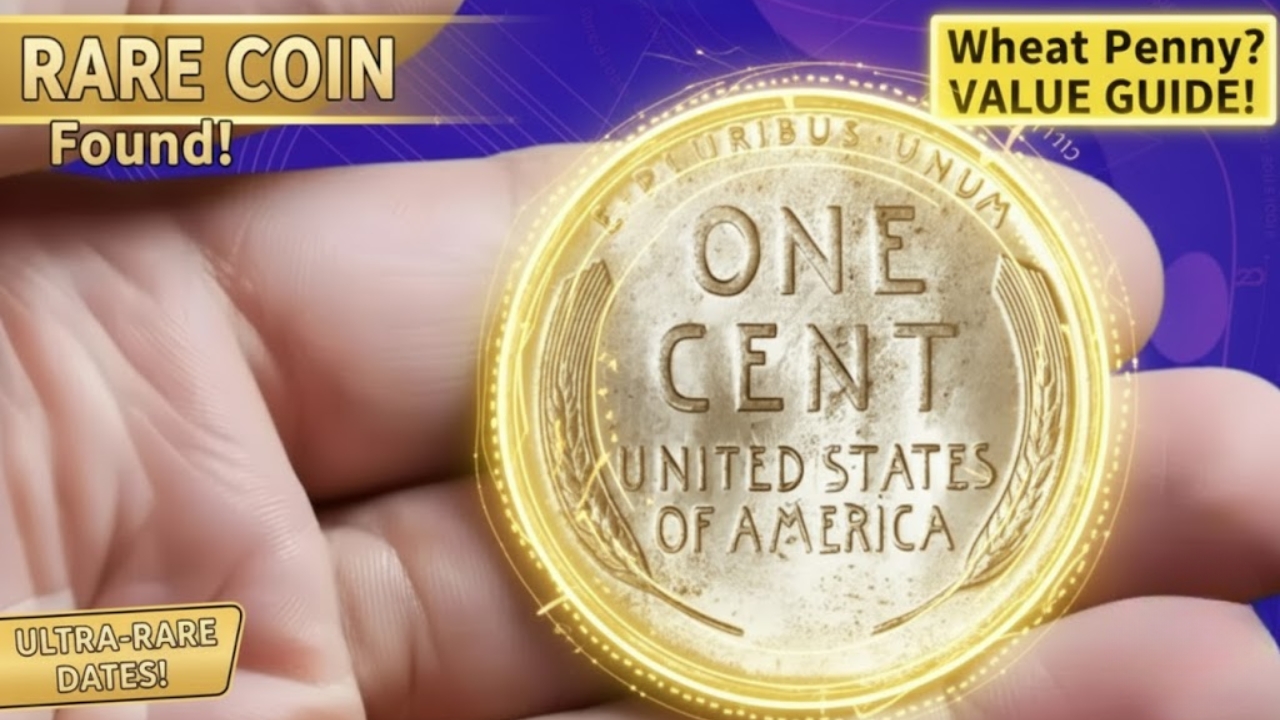
The Lincoln Wheat Penny, minted from 1909 to 1958, is one of the most iconic coins in American numismatics. Collectors are particularly drawn to the period between 1920 and 1945, a time when the United States faced the Great Depression, World War II, and significant changes in coin production. These pennies, with their distinctive wheat stalks on the reverse, are not only historical artifacts but also valuable collectibles depending on rarity, condition, and mint mark.
Historical Context of 1920–1945 Pennies
The years between 1920 and 1945 were marked by economic hardship and global conflict. Coin production reflected these realities, with certain years producing fewer coins due to reduced demand or resource constraints. During World War II, for example, the U.S. Mint experimented with alternative metals to conserve copper for the war effort. This era produced some of the most fascinating variations in the Wheat Penny series, making them highly sought after by collectors today.
Key Factors Affecting Value
Several elements determine the value of Wheat Pennies from this era. Collectors consider mint marks, production numbers, condition, and unique errors. Mint marks such as “D” for Denver and “S” for San Francisco often indicate smaller production runs compared to Philadelphia, which minted coins without a mark. Condition is equally important, with uncirculated coins commanding far higher prices than worn examples. Errors, such as doubled dies or off-center strikes, can elevate a penny’s value dramatically.
Value Chart Overview
The following overview provides a general guide to values for Wheat Pennies minted between 1920 and 1945. Prices vary depending on grade, but this chart highlights the relative rarity and collector interest in each year.
- 1920–1929: Common dates, but higher-grade coins can reach significant value.
- 1930–1939: Depression-era mintages, with certain years like 1931-S being extremely scarce.
- 1940–1945: Wartime issues, including the famous 1943 steel penny, add unique variety to collections.
1920s Wheat Pennies
The 1920s produced millions of Wheat Pennies, yet condition plays a major role in determining value. The 1922 penny is especially notable because no coins were struck in Philadelphia that year, making the Denver mint issues more desirable. A rare variety, the 1922 “No D” penny, is one of the most valuable coins in the entire Wheat series. Other years, such as 1926-S, are scarce in higher grades and command premium prices.
1930s Wheat Pennies
The 1930s were defined by the Great Depression, which reduced demand for coinage. As a result, some years saw very low mintages. The 1931-S penny is a standout rarity, with fewer than one million coins produced. Collectors prize this coin, especially in uncirculated condition. The 1936 doubled die obverse penny is another famous variety, with dramatic doubling visible on the date and lettering. These coins can sell for thousands of dollars depending on grade.
1940s Wheat Pennies
The 1940s brought wartime changes to coinage. The most famous issue is the 1943 steel penny, produced because copper was needed for ammunition and military equipment. While common in circulated condition, pristine examples are highly collectible. Even more valuable are the rare 1943 copper pennies, mistakenly struck on leftover copper planchets. These coins are legendary among collectors, with values reaching into the hundreds of thousands of dollars. Other wartime issues, such as the 1944 steel penny, are also rare and valuable.
Mint Marks and Their Importance
Mint marks are crucial in determining value. Philadelphia coins lack a mint mark, while Denver and San Francisco coins carry “D” and “S” respectively. Coins from San Francisco often had lower mintages, making them scarcer. For example, the 1926-S and 1931-S pennies are highly prized due to their limited production. Collectors carefully study mint marks to identify rarities and assess potential value.
Condition and Grading
Grading is the process of evaluating a coin’s condition, ranging from Poor to Mint State. A coin’s grade can mean the difference between a few cents and thousands of dollars. Collectors look for sharp details, minimal wear, and original luster. Professional grading services provide standardized assessments, but even casual collectors can learn to distinguish between circulated and uncirculated coins. High-grade examples from the 1920–1945 period are especially valuable because many coins from this era saw heavy circulation.
Error Coins and Varieties
Error coins add excitement to collecting. The 1922 “No D” penny, the 1936 doubled die, and the 1943 copper penny are prime examples of how mistakes at the mint can create legendary rarities. Off-center strikes, repunched mint marks, and other anomalies also attract collector interest. These coins often sell for far more than standard issues, making them a fascinating area of study for numismatists.
Collecting Strategies
For collectors, building a complete set of 1920–1945 Wheat Pennies is both challenging and rewarding. Beginners may start with common dates in circulated condition, gradually upgrading to higher grades. Advanced collectors often pursue rare varieties and error coins. Patience and careful study are essential, as values fluctuate based on market demand and coin availability. Many collectors enjoy the historical connection these coins provide, linking them to pivotal moments in American history.
Investment Potential
Wheat Pennies from 1920–1945 offer strong investment potential. Rare coins such as the 1922 “No D” and 1943 copper penny have consistently appreciated in value. Even common dates in high grades can be worthwhile investments. As interest in numismatics grows, these coins remain a popular choice for collectors and investors alike. Their combination of historical significance and scarcity ensures enduring demand.
Preservation and Care
Proper preservation is vital to maintaining value. Coins should be stored in protective holders to prevent damage from handling, moisture, or environmental factors. Cleaning coins is discouraged, as it can reduce value by altering the surface. Collectors often use archival-quality storage solutions to safeguard their collections. Preserving Wheat Pennies in their original condition ensures they retain both historical and monetary worth.
Conclusion
The 1920–1945 Wheat Pennies represent a fascinating chapter in American coinage. From Depression-era rarities to wartime experiments, these coins capture the spirit of resilience and change. Collectors treasure them not only for their monetary value but also for the stories they tell about America’s past. Whether pursuing a complete set or focusing on rare varieties, enthusiasts find endless enjoyment in studying and collecting these historic coins. For anyone interested in numismatics, the Wheat Pennies of this era remain a cornerstone of collecting and a testament to the enduring appeal of America’s coinage heritage.