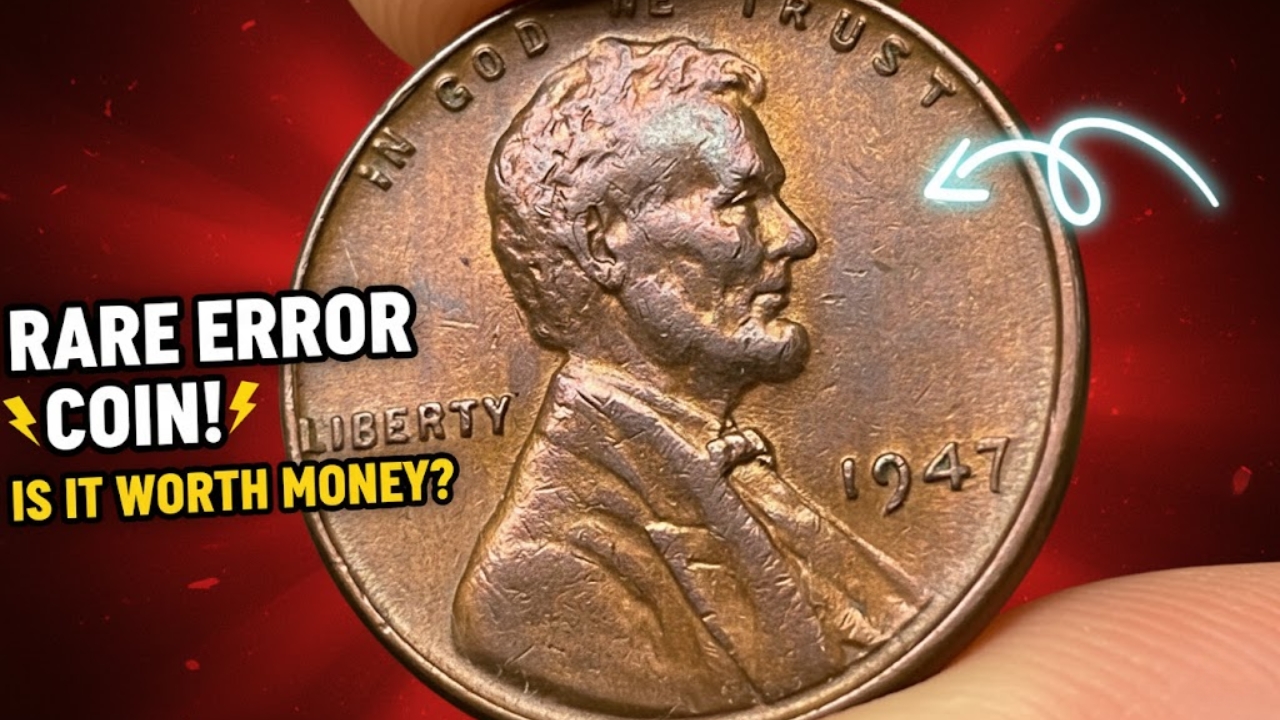
The Lincoln penny, first minted in 1909, is one of the most iconic coins in American history. Collectors and historians alike value it not only for its monetary worth but also for its cultural significance. Designed to honor President Abraham Lincoln on the centennial of his birth, the coin quickly became a staple in circulation. Over the decades, its design, composition, and rarity have evolved, creating a fascinating landscape for collectors who seek to understand its value year by year.
The Origins of the Lincoln Penny
The Lincoln penny was introduced to replace the Indian Head cent. Victor David Brenner, a sculptor, designed the coin, and his initials “VDB” appeared prominently on the reverse of the 1909 issue. This detail sparked controversy, leading to the removal of the initials later that year. As a result, the 1909-S VDB penny became one of the most sought-after coins in American numismatics.

Composition Changes Over Time
The Lincoln penny has undergone several changes in composition. From 1909 to 1942, most pennies were made of 95% copper. During World War II, copper was needed for military purposes, so the U.S. Mint produced steel pennies in 1943. These coins are easily recognizable due to their silver-gray appearance. After the war, copper returned as the primary material until 1982, when rising copper prices led to a shift toward a copper-plated zinc composition. These changes in metal content have influenced both the durability and the value of the coin.
Key Dates and Rarities
Certain years stand out in the Lincoln penny series due to rarity or unique circumstances. The 1909-S VDB penny is legendary among collectors. The 1914-D penny is another key rarity, with limited mintage making it highly valuable. The 1922 “No D” penny, struck in Denver without the mint mark, is a fascinating error coin that commands high prices. Later, the 1955 doubled die penny became famous for its dramatic doubling on the date and lettering, making it one of the most recognized error coins in U.S. history.
Value Factors for Lincoln Pennies
The value of a Lincoln penny depends on several factors. Condition is paramount, with uncirculated or mint-state coins commanding far higher prices than worn examples. Rarity also plays a significant role, as coins with low mintage numbers or unique errors are more desirable. Historical significance, such as the 1943 steel penny or the 1909-S VDB, adds to collector interest. Finally, demand in the numismatic market influences prices, with certain coins experiencing surges in popularity.
Lincoln Penny Value Chart by Decade
Collectors often study penny values by decade to understand trends. Early pennies from 1909 to the 1930s tend to be more valuable due to lower survival rates. Coins from the 1940s and 1950s are more common but still include notable rarities like the 1955 doubled die. Pennies from the 1960s and 1970s are generally less valuable unless in pristine condition. Modern pennies, especially post-1982 zinc issues, are typically worth face value unless they feature errors or special minting qualities.
The 1943 Steel Penny
The 1943 steel penny deserves special attention. Produced during World War II, it was made of zinc-coated steel to conserve copper for the war effort. While millions were minted, their unique appearance and historical context make them popular among collectors. Some rare 1943 pennies were mistakenly struck in copper, and these are among the most valuable Lincoln cents ever discovered.
The 1955 Doubled Die Penny
The 1955 doubled die penny is one of the most famous error coins in American history. The doubling on the date and lettering is so pronounced that it can be seen without magnification. This coin has captured the imagination of collectors for decades, and its value remains strong across all grades.

Modern Lincoln Pennies
Pennies minted after 1982 are primarily copper-plated zinc. While most of these coins are worth only face value, certain varieties and errors can be valuable. For example, doubled dies, off-center strikes, and other minting errors can make modern pennies worth far more than one cent. Collectors often seek out these anomalies to add interest to their collections.
Collecting Strategies for Lincoln Pennies
Collectors approach Lincoln pennies in different ways. Some aim to build complete sets by year and mint mark, while others focus on key dates and rarities. Condition is always important, so many collectors prefer to invest in higher-grade coins. Error coins and varieties also attract attention, offering unique stories behind each piece.
Preservation and Storage
Proper preservation is essential for maintaining the value of Lincoln pennies. Coins should be stored in protective holders to prevent damage from handling, moisture, or environmental factors. Avoid cleaning coins, as this can reduce their value. Professional grading services can help authenticate and grade coins, providing assurance for collectors and investors.
Investment Potential of Lincoln Pennies
Lincoln pennies offer both historical enjoyment and investment potential. Rare coins such as the 1909-S VDB, 1914-D, and 1955 doubled die have consistently appreciated in value. Even common coins in high grades can be worthwhile investments. The combination of historical significance, rarity, and collector demand makes Lincoln pennies a fascinating area for numismatic investment.
Conclusion
The Lincoln penny is more than just a coin; it is a piece of American history that continues to captivate collectors. From its origins in 1909 to modern issues, each penny tells a story of design, composition, and cultural significance. Understanding the value chart by year helps collectors appreciate the nuances of rarity, condition, and historical context. Whether pursuing a complete set or focusing on key dates, Lincoln pennies remain a rewarding pursuit for numismatists and investors alike.