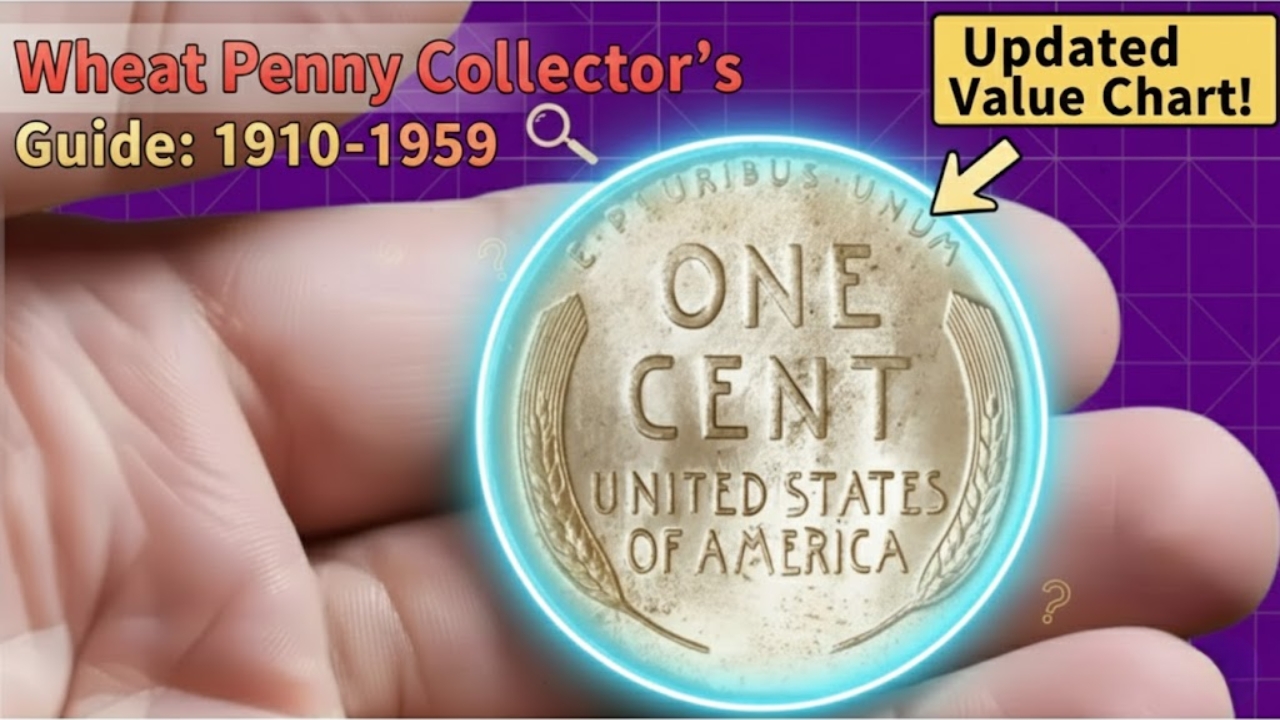
Wheat pennies, officially known as Lincoln Wheat Cents, are among the most beloved coins in American numismatics. Minted between 1909 and 1958, these coins feature the iconic portrait of Abraham Lincoln on the obverse and two wheat stalks on the reverse. Their historical significance, combined with their collectible appeal, makes them a fascinating subject for coin enthusiasts and investors alike. Understanding their value requires a careful look at mint years, conditions, and rarity factors.
Historical Background of Wheat Pennies
The Lincoln Wheat Cent was introduced in 1909 to commemorate the centennial of Abraham Lincoln’s birth. Designed by Victor David Brenner, the coin marked the first time a U.S. president appeared on circulating currency. The wheat design symbolized prosperity and growth, aligning with the spirit of the early 20th century. Over the decades, subtle changes in minting, production numbers, and historical events influenced the rarity and desirability of specific issues.

Key Factors That Influence Value
Several elements determine the value of wheat pennies, and collectors must consider them carefully:
- Mint year and mint mark location
- Production numbers and rarity
- Condition and grade of the coin
- Historical significance or errors in minting
Coins with low mintage numbers or unique errors often command premium prices, while common issues in worn condition may only be worth face value.
Mint Marks and Their Importance
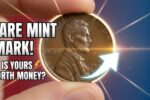
Mint marks are small letters found beneath the date on wheat pennies, indicating where the coin was produced. The primary U.S. mints involved were Philadelphia (no mint mark), Denver (D), and San Francisco (S). Coins from San Francisco and Denver often had lower production runs, making them more valuable in certain years. Collectors pay close attention to these marks when evaluating a coin’s worth.
Value of Early Wheat Pennies (1910–1920)
The earliest wheat pennies are highly sought after due to their age and limited survival in high grades. Coins from this era often show heavy wear, but well-preserved examples can be worth significant amounts. For instance, the 1914-D penny is considered one of the key rarities, often valued in hundreds or even thousands of dollars depending on condition. Similarly, the 1911-S and 1917-S issues are prized for their scarcity.
Value of Wheat Pennies in the 1920s
The 1920s saw larger production numbers, but certain issues remain valuable. The 1922 “No D” penny, struck in Denver without a mint mark due to a die error, is one of the most famous varieties. This coin can fetch high prices, especially in uncirculated condition. Other notable coins include the 1924-D and 1926-S, which are difficult to find in good grades.
Value of Wheat Pennies in the 1930s
The 1930s introduced several collectible coins, with the 1931-S being a standout rarity. With a low mintage of fewer than one million, it is one of the most desirable wheat pennies. Coins from this decade generally had higher survival rates, but collectors still prize well-preserved examples. The 1936 doubled die obverse is another variety that attracts attention due to its striking error.

Value of Wheat Pennies in the 1940s
The 1940s were marked by World War II, which influenced coin production. The 1943 steel penny, made from zinc-coated steel due to copper shortages, is a unique issue from this decade. While common in circulated condition, pristine examples are highly collectible. The rare 1943 copper penny, mistakenly struck, is one of the most valuable coins in U.S. history, often selling for tens of thousands of dollars. Other notable issues include the 1944-D and 1946-S pennies.
Value of Wheat Pennies in the 1950s
By the 1950s, wheat pennies were produced in large numbers, making most issues common. However, certain varieties, such as the 1955 doubled die obverse, are legendary among collectors. This coin shows dramatic doubling in the date and lettering, making it one of the most famous error coins. Even in lower grades, it commands significant value. Other coins from the decade, while generally affordable, remain popular for completing collections.

Condition and Grading of Wheat Pennies
The condition of a coin plays a crucial role in determining its value. Coins are graded on a scale from Poor (P-1) to Mint State (MS-70). Collectors often seek coins in Fine (F), Extremely Fine (XF), or Uncirculated (MS) condition. A common wheat penny in worn condition may only be worth a few cents, but the same coin in pristine condition could be valued at several dollars or more. Professional grading services provide authentication and ensure accurate valuation.
Rare Varieties and Errors
Error coins add excitement to wheat penny collecting. Famous varieties include doubled dies, repunched mint marks, and off-center strikes. The 1955 doubled die obverse is the most famous, but other varieties such as the 1944 steel penny and 1922 “No D” penny also attract high demand. These coins often sell for much more than regular issues, making them prized finds for collectors.

Collecting Strategies for Wheat Pennies
Collectors often approach wheat pennies in different ways:
- Building a complete year and mint mark set
- Focusing on rare varieties and errors
- Seeking high-grade examples for investment
- Collecting by decade or historical significance
Each strategy offers unique rewards, and many collectors enjoy the challenge of finding elusive coins to complete their sets.
Investment Potential of Wheat Pennies
Beyond hobbyist appeal, wheat pennies hold investment potential. Rare coins in high grades tend to appreciate over time, especially those with historical significance or unique errors. While common coins may not yield large returns, key rarities such as the 1914-D, 1931-S, and 1955 doubled die obverse remain strong performers in the numismatic market.
Preservation and Storage Tips
Proper storage is essential to maintain the value of wheat pennies. Coins should be kept in protective holders, away from moisture and direct sunlight. Avoid cleaning coins, as this can damage their surfaces and reduce value. Professional coin albums or slabs from grading services provide secure storage and display options.
Conclusion
Wheat pennies from 1910 to 1959 represent a rich chapter in American coinage history. Their values vary widely depending on year, mint mark, condition, and rarity. From common issues worth only a few cents to legendary rarities valued in thousands of dollars, these coins continue to captivate collectors and investors. Building a collection requires patience, knowledge, and attention to detail, but the rewards are both financial and historical. For anyone interested in numismatics, wheat pennies remain a timeless and fascinating pursuit.