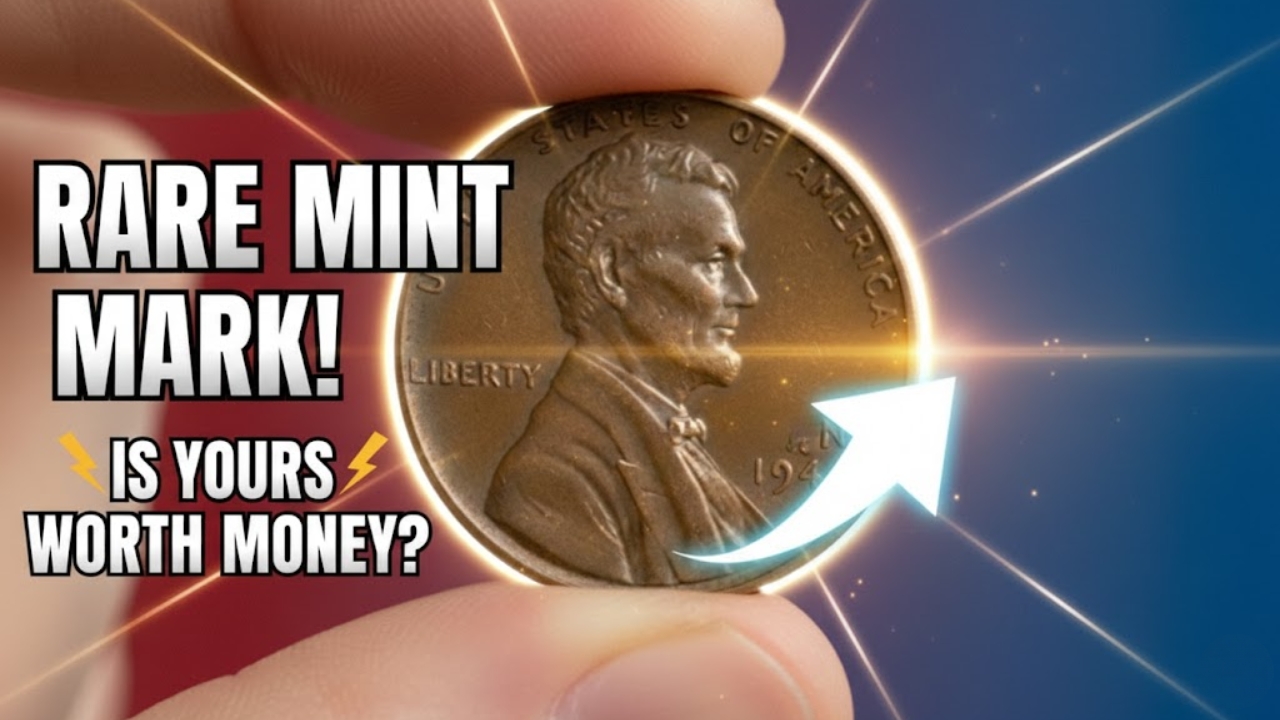
Wheat pennies, officially known as Lincoln Wheat Cents, are among the most iconic coins in American numismatic history. First minted in 1909 to honor the centennial of Abraham Lincoln’s birth, these coins quickly became a favorite among collectors. Their distinctive design, featuring two wheat stalks on the reverse, symbolizes prosperity and growth. Over time, wheat pennies have become more than just currency; they represent a tangible piece of American heritage.
The Origins of the Lincoln Wheat Cent
The Lincoln Wheat Cent was introduced in 1909, replacing the Indian Head Cent. Victor David Brenner, a renowned sculptor, designed the coin, making it the first U.S. coin to feature a real person. The obverse displays Lincoln’s profile, while the reverse showcases two wheat ears framing the denomination. This design remained in circulation until 1958, when it was replaced by the Lincoln Memorial reverse.

Key Historical Context
The early 20th century was a period of transformation in the United States. The introduction of the Lincoln Wheat Cent reflected a shift toward honoring national figures and ideals. The coin’s release coincided with Lincoln’s 100th birthday, making it both a commemorative and practical piece of currency. Collectors today value wheat pennies not only for their rarity but also for their historical significance.
Understanding Wheat Penny Value
The value of a wheat penny depends on several factors, including its year, mint mark, condition, and rarity. While many wheat pennies are worth only a few cents above face value, certain rare issues can command hundreds or even thousands of dollars. Collectors often rely on value charts to determine the worth of their coins, which provide a detailed breakdown of prices based on these variables.
Factors That Influence Value
Several key elements determine the price of a wheat penny:
- Year of minting: Some years had lower production numbers, making them rarer.
- Mint mark: Coins minted in Denver (D) or San Francisco (S) can be scarcer than those from Philadelphia.
- Condition: Coins graded higher on the Sheldon scale, such as Mint State (MS), are significantly more valuable.
- Errors and varieties: Misstrikes, doubled dies, and other minting errors can dramatically increase value.
Rare and Valuable Wheat Pennies
Certain wheat pennies stand out as highly sought-after by collectors. The 1909-S VDB penny is one of the most famous, with limited production and the designer’s initials prominently displayed. Another notable rarity is the 1914-D penny, which had a low mintage and is difficult to find in good condition. The 1922 “No D” penny, created due to a minting error, is also prized. These coins often sell for thousands of dollars depending on their grade.
Historic Price Trends
Over the decades, wheat penny values have fluctuated based on collector demand and market conditions. In the mid-20th century, interest in coin collecting surged, driving up prices for rare issues. While common wheat pennies remained inexpensive, rare varieties saw exponential growth in value. Today, the market remains strong, with collectors continuing to seek out key dates and high-grade examples.
Wheat Penny Value Chart Overview
A typical value chart for wheat pennies lists each year and mint mark, along with estimated prices for different grades. For example, a 1941 penny from Philadelphia may be worth only a few cents in circulated condition, but in Mint State it could fetch several dollars. Conversely, a 1909-S VDB penny might be valued at hundreds of dollars even in lower grades. These charts serve as essential tools for collectors, helping them assess their holdings.

Collecting Strategies for Beginners
For those new to coin collecting, wheat pennies offer an accessible entry point. Many can be found in circulation or purchased inexpensively from dealers. Beginners should focus on building a complete set by year and mint mark, gradually upgrading to higher-quality coins. Learning to recognize key dates and varieties is crucial, as these coins often represent the most significant investment opportunities.
Advanced Collecting and Investment Potential
Experienced collectors often pursue rare varieties and high-grade examples. Investing in wheat pennies requires knowledge of grading standards and market trends. Coins certified by reputable grading services carry greater value and trust. Over time, rare wheat pennies have proven to be strong investments, with prices appreciating steadily. However, like any collectible market, values can fluctuate, so careful research is essential.
Preservation and Care of Wheat Pennies
Maintaining the condition of wheat pennies is vital for preserving their value. Coins should be stored in protective holders to prevent damage from handling, moisture, or environmental factors. Cleaning coins is strongly discouraged, as it can reduce their value. Collectors often use archival-quality albums or cases to display their collections while ensuring long-term preservation.
Notable Varieties and Errors
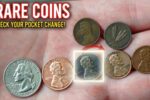
Wheat pennies are known for several fascinating varieties and errors. The 1955 doubled die penny is one of the most famous, with its doubled lettering visible to the naked eye. Other varieties include repunched mint marks and off-center strikes. These coins are highly collectible, often commanding premium prices due to their uniqueness.
The Transition to the Lincoln Memorial Cent
In 1959, the wheat reverse was replaced by the Lincoln Memorial design to commemorate Lincoln’s 150th birthday. While this marked the end of the wheat penny era, it also highlighted the coin’s enduring legacy. Collectors often view wheat pennies as a distinct chapter in U.S. coinage history, bridging the gap between the early 20th century and modern designs.
Modern Collector Interest
Today, wheat pennies remain popular among collectors of all ages. Their affordability makes them accessible, while their historical significance adds depth to any collection. Coin shows, auctions, and online marketplaces continue to feature wheat pennies prominently, ensuring their place in the numismatic community.
Conclusion
The Lincoln Wheat Cent is more than just a coin; it is a symbol of American history, artistry, and tradition. From common issues worth only a few cents to rare varieties valued in the thousands, wheat pennies offer something for every collector. Understanding their value, history, and preservation methods allows enthusiasts to appreciate these coins fully. Whether pursued as a hobby or an investment, wheat pennies remain a timeless treasure in the world of numismatics.