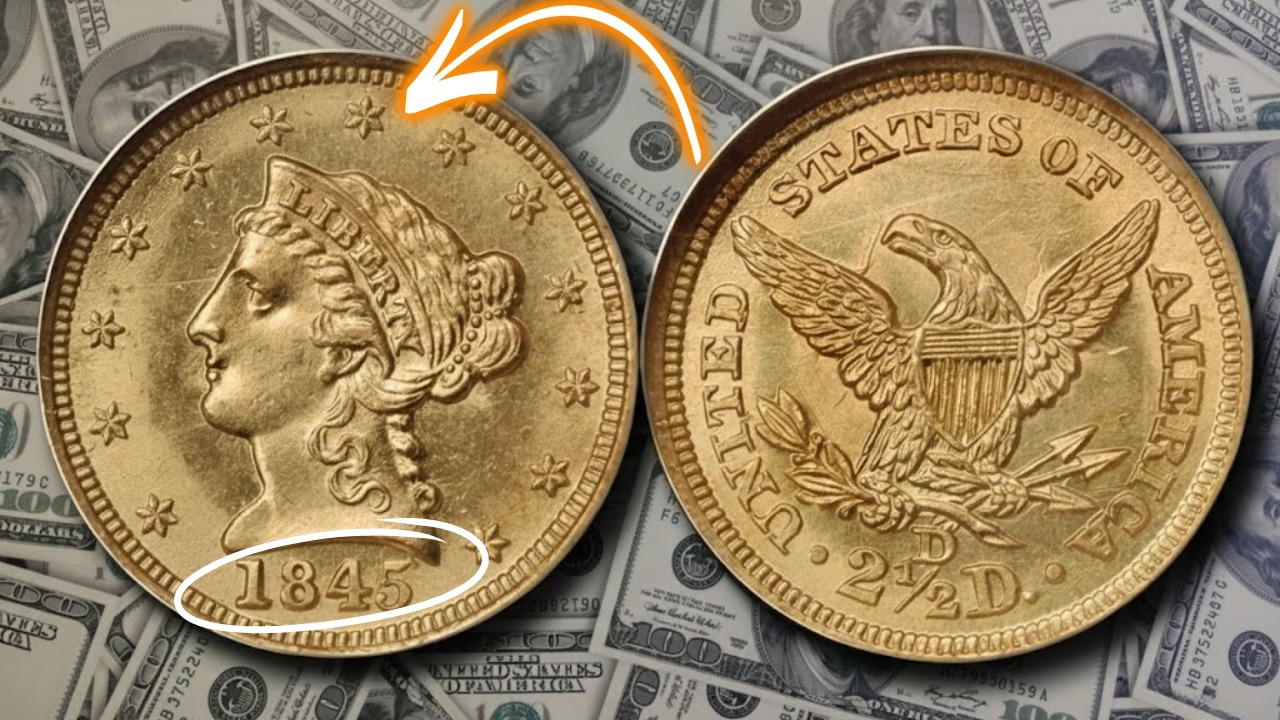
Gold coins continue to hold a timeless allure for investors and collectors alike. In 2026, their value is shaped not only by the intrinsic worth of gold but also by historical significance, rarity, and global economic conditions. Unlike paper assets, gold coins offer tangible security and have proven to be resilient during financial uncertainty. Investors are increasingly drawn to them as both a hedge against inflation and a store of wealth that transcends borders.
Key Factors Driving Gold Coin Prices
The value of gold coins in 2026 is influenced by several interconnected factors. Global gold prices remain the primary driver, reflecting supply and demand in international markets. Inflationary pressures, central bank policies, and geopolitical tensions also play significant roles. Beyond the metal’s spot price, coin-specific attributes such as mint year, design, and limited editions add premiums that collectors are willing to pay. Understanding these dynamics helps investors make informed decisions about when to buy, hold, or sell.

Popular Gold Coins in 2026
Certain coins dominate the market due to their reputation and consistent demand. The American Gold Eagle, Canadian Maple Leaf, and South African Krugerrand remain staples for investors seeking liquidity and recognition. Meanwhile, limited-edition commemorative coins and historic pieces such as pre-1933 U.S. gold coins attract collectors who value rarity. In 2026, the rise of digital marketplaces has made these coins more accessible, but authenticity and certification remain crucial to avoid counterfeits.
Smart Buying Strategies for Gold Coins
Buying gold coins requires careful planning and timing. Investors should monitor global gold prices and economic indicators before making purchases. Acquiring coins from reputable dealers ensures authenticity and fair pricing. Diversification is another smart approach—balancing modern bullion coins with rare collectibles can reduce risk while enhancing potential returns. Patience is key; rushing into purchases during market hype often leads to overpaying. Instead, strategic buying during price dips or economic uncertainty can yield long-term benefits.

The Importance of Authentication and Certification
In 2026, counterfeit coins remain a challenge for buyers. Professional grading and certification from recognized institutions provide assurance of authenticity and quality. Certified coins often command higher resale values, as buyers trust their legitimacy. Collectors and investors should prioritize coins with clear documentation, including weight, purity, and mint origin. This not only protects against fraud but also strengthens confidence when holding coins as part of a diversified portfolio.
Holding Gold Coins as a Long-Term Asset
Holding gold coins is more than just storage; it is a strategy for wealth preservation. Coins act as a hedge against inflation, currency devaluation, and market volatility. Investors who hold coins for extended periods often benefit from appreciation in both gold prices and collectible premiums. Proper storage is essential—secure vaults, insured safety deposit boxes, or specialized home safes protect coins from theft and damage. Long-term holders should also stay informed about market trends to decide when to adjust their positions.

Selling Gold Coins for Maximum Value
Selling gold coins requires timing and market awareness. Investors should consider both the spot price of gold and the demand for specific coins. Rare coins often fetch higher premiums when sold to collectors rather than bullion dealers. Auctions and specialized marketplaces can provide competitive bidding, maximizing returns. However, selling during periods of economic stability may yield lower profits compared to times of uncertainty when demand for gold surges. Strategic selling ensures that investors capture the best possible value.
Balancing Investment and Collecting Goals
Gold coins appeal to two distinct groups: investors seeking financial security and collectors pursuing historical or artistic value. In 2026, many individuals blend these goals, building portfolios that serve both purposes. Balancing bullion coins with rare collectibles allows investors to enjoy the stability of gold while benefiting from the unique appreciation of limited editions. This dual approach requires discipline, as emotional attachment to rare coins can sometimes cloud financial judgment.

Risks and Challenges in Gold Coin Investment
Despite their appeal, gold coins are not without risks. Market volatility can affect short-term values, and premiums on collectible coins may fluctuate based on demand. Storage and insurance costs add to the overall investment expense. Counterfeiting remains a persistent challenge, requiring vigilance and reliance on certified dealers. Additionally, liquidity varies—while bullion coins are easily sold, rare collectibles may take longer to find the right buyer. Understanding these risks helps investors prepare realistic strategies.
Global Economic Trends Shaping Gold Coin Demand
The global economy in 2026 continues to influence gold coin demand. Inflationary pressures, currency fluctuations, and geopolitical tensions drive investors toward safe-haven assets like gold. Central banks maintaining or increasing gold reserves further reinforce confidence in the metal. Meanwhile, technological advancements in digital trading platforms have expanded access to gold coins, attracting younger investors. These trends suggest that gold coins will remain a vital part of diversified portfolios for years to come.

Practical Tips for New Gold Coin Investors
For newcomers, entering the gold coin market can seem overwhelming. Starting with widely recognized bullion coins provides a solid foundation. Learning to read market charts, understanding premiums, and familiarizing oneself with grading systems are essential steps. Building relationships with reputable dealers ensures access to authentic coins and reliable advice. New investors should also set clear goals—whether wealth preservation, profit generation, or collecting—and align their strategies accordingly.
The Future Outlook for Gold Coins in 2026 and Beyond
Looking ahead, gold coins are expected to maintain their relevance as both investment and collectible assets. Economic uncertainty, inflationary cycles, and global demand will continue to support their value. Rare coins will likely see increased interest as collectors seek unique pieces in a digital age. For investors, gold coins remain a tangible safeguard against financial instability. By applying smart buy, hold, and sell strategies, individuals can navigate the evolving market with confidence and foresight.